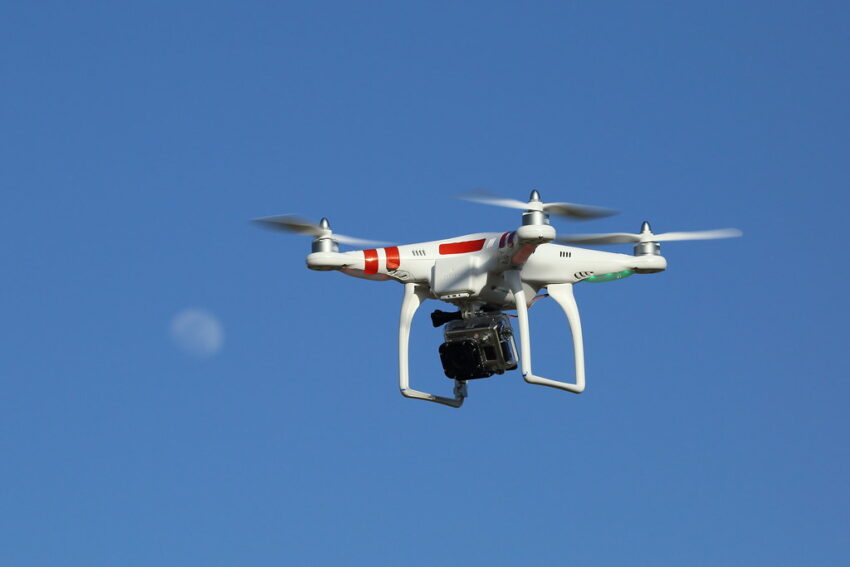
military drone technology is taking a significant leap forward as Hegseth unveils a new command to oversee its development and deployment.
Introduction to Military Drone Technology
The rapid evolution of military drone technology has transformed modern warfare, providing armed forces with unprecedented capabilities. These unmanned aerial vehicles (UAVs) are not only pivotal in reconnaissance and surveillance missions but also play a crucial role in combat operations.
In recent announcements, military leaders have outlined a new command structure aimed at effectively overseeing the deployment and integration of drone technology. This initiative is designed to streamline operations, enhance coordination among various branches of the military, and ensure that drone assets are utilized to their full potential.
Key components of this new command structure include:
- Centralized Management: A dedicated team will oversee all drone operations, ensuring consistency and efficiency.
- Training Programs: Enhanced training for personnel operating drone technology will be implemented to adapt to the evolving landscape of warfare.
- Operational Guidelines: Clear protocols will be established for the use of military drones in various scenarios, balancing effectiveness with ethical considerations.
This strategic shift underscores the importance of military drone technology in contemporary conflicts and emphasizes the need for a robust command framework to guide its future development.
The Role of Hegseth in Military Advancements
In recent developments, Hegseth has emerged as a pivotal figure in advancing military drone technology. His commitment to enhancing operational efficiency and integrating innovative solutions has been crucial in shaping the future of military operations.
Hegseth’s leadership is characterized by a clear vision for the command structure overseeing drone operations. This new command aims to streamline communication and coordination among various military branches, ensuring that drone technology is utilized effectively in combat scenarios. Key elements of his strategy include:
- Interoperability: Facilitating seamless integration of drone systems across different military units to enhance collaborative efforts.
- Training Programs: Implementing comprehensive training protocols to prepare personnel for the complexities of operating advanced drones.
- Research and Development: Investing in cutting-edge technology and fostering partnerships with private sector innovators to remain at the forefront of military drone advancements.
Through these initiatives, Hegseth aims to ensure that military drone technology not only meets current demands but also anticipates future challenges, thereby solidifying the military’s strategic advantage in modern warfare.
Key Features of the New Command Structure
The new command structure unveiled by Hegseth aims to enhance the effectiveness of military drone technology through several key features.
- Centralized Oversight: The command structure will provide a unified framework for managing drone operations, ensuring that all missions are executed under consistent protocols.
- Enhanced Communication: Improved communication channels between drone operators and ground command will facilitate real-time decision-making, allowing for swift adaptations during missions.
- Training and Development: A focus on specialized training programs will equip personnel with the skills necessary to operate advanced drones, maximizing their potential on the battlefield.
- Data Integration: The new structure will incorporate advanced data analytics, enabling commanders to make informed strategic decisions based on real-time intelligence gathered from drone operations.
- Interoperability: Emphasis on interoperability with allied forces will ensure that military drone technology can be utilized effectively in joint operations, fostering collaboration and shared success.
These features are designed to streamline operations and increase the overall effectiveness of military drone technology, solidifying its role in modern warfare.
Impact of Drone Technology on Modern Warfare
The advent of military drone technology has significantly transformed the landscape of modern warfare. Unmanned aerial vehicles (UAVs) have introduced a new dynamic, allowing for unparalleled surveillance and precision strikes with reduced risk to personnel.
One of the most notable impacts of drone technology is its ability to gather intelligence in real-time. Commanders can now receive live footage from conflict zones, enabling informed decision-making on the battlefield. This capability not only enhances situational awareness but also facilitates timely responses to emerging threats.
Furthermore, military drone technology has reshaped traditional combat strategies. With their advanced targeting systems, drones can carry out operations that were once deemed too dangerous for manned aircraft. This shift allows for more effective engagement of enemy forces while minimizing collateral damage.
However, the integration of drones into military operations also raises ethical questions regarding warfare. The ease of deploying drone strikes can lead to a desensitization to violence and a potential disregard for civilian safety.
In conclusion, as military drone technology continues to evolve, it will undoubtedly play a crucial role in shaping future conflicts and command structures.
Challenges Facing Military Drone Deployment
The deployment of military drone technology has revolutionized modern combat, yet it is not without its challenges. As military forces increasingly rely on unmanned systems for reconnaissance and strike missions, several obstacles must be addressed to ensure their effective integration into existing command structures.
- Regulatory Issues: The use of military drones often faces strict regulations regarding airspace and engagement rules. These complexities can hinder rapid deployment and operational flexibility.
- Cybersecurity Threats: As drones become more sophisticated and connected, they are also more vulnerable to cyberattacks. Ensuring robust cybersecurity measures is essential to prevent enemy interference.
- Ethical Concerns: The use of drones raises significant ethical questions about warfare, including issues surrounding civilian casualties and accountability. Addressing these concerns is critical for maintaining public support.
- Technological Limitations: Although military drone technology has advanced significantly, limitations in battery life, payload capacity, and sensor capabilities can restrict operational effectiveness and mission scope.
Overcoming these challenges is essential for maximizing the potential of military drone technology within the new command structure, ensuring that drones serve as effective tools in modern warfare.
Future Trends in Military Drone Technology
As military drone technology continues to evolve, several future trends are emerging that could reshape its use in combat and surveillance operations. Experts predict that advancements in artificial intelligence, machine learning, and automation will play a pivotal role in enhancing the capabilities of drone systems.
One significant trend is the increasing integration of swarm technology, allowing multiple drones to operate collaboratively in a coordinated manner. This could lead to more effective reconnaissance missions and improved strike capabilities against dispersed targets.
Furthermore, the development of stealth technology is expected to enhance the survivability of drones in contested environments. By minimizing their radar signatures, these advanced drones will be able to conduct missions in areas heavily defended by enemy forces.
Another area of focus is the push for extended endurance, enabling drones to stay airborne for longer durations, thus providing continuous surveillance and support for ground troops. As these technologies advance, military drone technology will not only transform the battlefield but also influence strategic decision-making at higher command levels.
In summary, the future of military drone technology promises to bring about significant advancements that will enhance operational effectiveness and adaptability in modern warfare.
Conclusion: The Importance of Oversight in Drone Use
In conclusion, the importance of oversight in the use of military drone technology cannot be overstated. As advancements in drone capabilities continue to evolve, establishing a robust command structure is essential for ensuring responsible deployment and operational effectiveness.
Without proper oversight, the risks associated with military drone operations can escalate, leading to unintended consequences both on the battlefield and in civilian contexts. The integration of a well-defined command hierarchy allows for:
- Enhanced Accountability: Ensuring that decisions made regarding drone usage are traceable and justifiable.
- Strategic Coordination: Facilitating communication among various military branches to optimize the effectiveness of drone operations.
- Ethical Considerations: Addressing the moral implications of drone strikes and emphasizing the need for adherence to international laws.
The advancements in military drone technology promise to redefine modern warfare, but they also necessitate a commitment to oversight that prioritizes safety, legality, and ethical standards. As military forces around the globe continue to harness the power of drones, the establishment of a sound command structure will be pivotal in navigating the challenges and opportunities that lie ahead.
By Don McCullough via Openverse
1 thought on “Military Drone Technology: The Best Proven Command Structure”