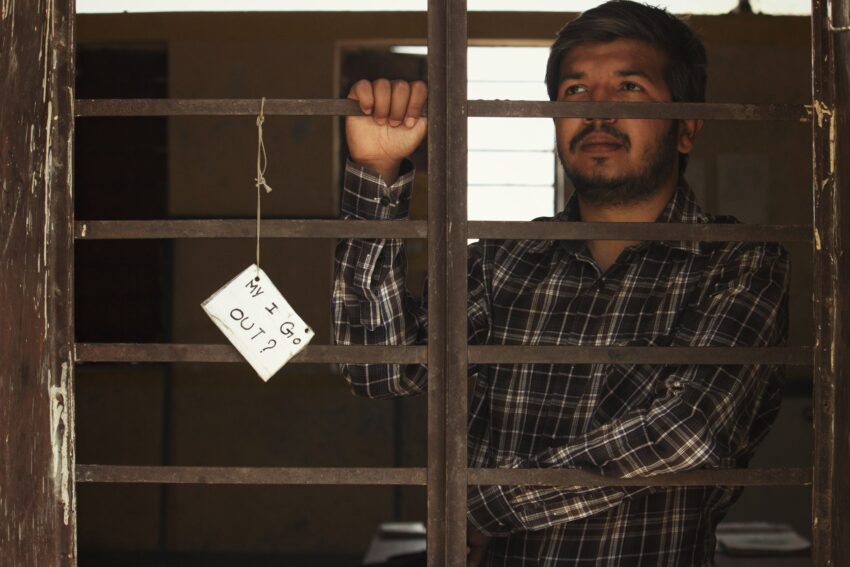
Opposition detentions India have become a focal point of national discourse, prompting widespread criticism and concern among various political factions.
Overview of Recent Detentions
In recent weeks, India has witnessed a wave of detentions targeting opposition figures, raising significant concerns among civil rights advocates. The government’s actions have been perceived as an attempt to stifle dissent and suppress political opposition. Prominent leaders from various parties have found themselves detained, leading to widespread protests and calls for their immediate release.
The detentions have sparked a national debate on the state of democracy in India, with many questioning the motivations behind these actions. Critics argue that the government is employing these tactics to silence voices that challenge its policies and governance. Activists emphasize that such measures are detrimental to the democratic fabric of the nation.
Several political groups have united in their opposition to these detentions, urging citizens to stand against what they describe as an authoritarian crackdown. The situation has been compounded by social media campaigns that highlight the stories of those detained, further galvanizing public sentiment against the government’s actions.
- Opposition leaders assert their commitment to fighting for justice.
- Public demonstrations continue to grow in size and intensity.
- International observers have expressed concern over the implications for human rights.
As the situation unfolds, the impact of these opposition detentions in India remains a focal point of discussion among citizens and political analysts alike.
Political Reactions to Detentions
Political reactions to the recent opposition detentions in India have been swift and fervent, reflecting deep concerns over government actions. Various opposition leaders have condemned the detentions, describing them as a blatant attempt to stifle dissent and undermine democracy.
Among the notable responses:
- Rahul Gandhi called the detentions a “direct attack on the constitutional rights of citizens,” emphasizing that such measures will not deter the opposition.
- Arvind Kejriwal, the Chief Minister of Delhi, stated that “the government is scared of its own shadow,” pointing to the increasing political unrest and the need for accountability.
- Mamata Banerjee labeled the situation as “political vendetta,” asserting that the ruling party is using detentions to intimidate political rivals.
- Sharad Pawar urged citizens to unite against what he termed “authoritarianism,” advocating for peaceful protests to voice discontent.
Furthermore, grassroots movements have gained momentum, with citizens organizing rallies and discussions to raise awareness about the implications of these opposition detentions in India. The overarching sentiment remains one of resistance against perceived tyranny, as political leaders rally their supporters to stand firm.
Impact on Civil Rights in India
The recent wave of opposition detentions in India has raised significant concerns regarding the state of civil rights in the country. Many activists and legal experts warn that these actions may set a dangerous precedent for the future of democracy in India.
One of the primary impacts of such detentions is the chilling effect it has on free speech and political dissent. Citizens may feel discouraged from expressing their opinions or participating in protests for fear of repercussions. This atmosphere of fear can lead to:
- Suppression of dissenting voices: Individuals who oppose government policies may think twice before speaking out, fearing arrest or harassment.
- Stifling of political engagement: With the opposition being targeted, the public may become apathetic towards politics, believing that their voices hold no power.
- Undermining of democratic institutions: The erosion of civil rights can weaken the checks and balances that are essential for a healthy democracy.
As these detentions continue, it is imperative for citizens and global observers alike to advocate for the protection of civil liberties and ensure that the fundamental rights of all individuals are upheld in India.
Public Opinion on Opposition Actions
Public opinion regarding the recent opposition detentions in India remains polarized, with many citizens expressing strong sentiments about the implications for democracy. A significant portion of the population perceives these detentions as a blatant attempt to silence dissent and sabotage the democratic process.
Supporters of the opposition argue that these actions reflect a troubling trend in the current political climate, where dissent is increasingly met with repression. They believe that the government’s approach undermines the very foundation of democratic governance, which relies on the free expression of ideas and the right to protest.
Critics of the opposition, however, contend that the detentions are justified, asserting that they are necessary to maintain order and stability within the nation. They argue that certain opposition figures have crossed the line, promoting divisive rhetoric that can incite unrest.
As this debate unfolds, social media has become a battleground for differing opinions, with hashtags related to opposition detentions trending online. Many citizens are taking to the streets to voice their concerns, demanding accountability and transparency in the handling of political dissent.
Ultimately, the ongoing situation will likely continue to influence public sentiment and the political landscape in India.
International Response to India’s Situation
The recent wave of opposition detentions in India has not gone unnoticed on the international stage. Various human rights organizations and foreign governments have expressed grave concerns regarding the implications of these arrests on democratic practices within the country.
Countries such as the United States and members of the European Union have urged Indian authorities to uphold democratic principles and respect the rights of opposition leaders. Amnesty International has called for an immediate end to what it describes as politically motivated detentions, highlighting the need for transparency and accountability in law enforcement.
In a recent statement, a spokesperson for the United Nations emphasized that detaining opposition figures undermines fundamental freedoms and could lead to further unrest. This sentiment resonates widely, as many believe that such actions threaten the very fabric of India’s democracy.
Additionally, international observers are calling for dialogue between the government and opposition parties to resolve conflicts peacefully. Such discussions are seen as crucial in restoring trust and ensuring that the voices of all citizens are heard, regardless of their political affiliations. The ongoing situation continues to evoke strong reactions globally, reflecting a shared commitment to democratic norms.
Future of Indian Politics Amidst Tensions
The future of Indian politics appears increasingly uncertain as the ongoing opposition detentions in India continue to stir tensions among various factions. Political analysts suggest that the current climate may lead to a significant reshaping of the political landscape, as opposition leaders and their supporters rally against what they perceive as an authoritarian crackdown.
Among the key factors influencing this dynamic is the public’s growing awareness of civil liberties and democratic values. As discontent rises, many citizens are beginning to voice their concerns about the implications of detaining opposition figures. The potential for widespread unrest is palpable, with grassroots movements gaining momentum in response to these actions.
Furthermore, political parties may find themselves at a crossroads, forced to either adapt their strategies or risk alienating their voter base. The opposition is likely to leverage these detentions to galvanize support, framing their struggle as a fight for democracy and justice.
In this complex scenario, the balance of power is delicate. The ruling party’s approach to handling dissent will be crucial in determining not only the immediate future of Indian politics but also the long-term implications for governance and civil rights across the nation.
The recent surge in opposition detentions in India has raised serious concerns about the state of democracy in the country. Critics argue that these opposition detentions in India are a blatant attempt to stifle dissent and suppress political voices.
Photo by Rakta Kunda on Pexels
1 thought on “Opposition Detentions in India: A Clear Wrong Move”