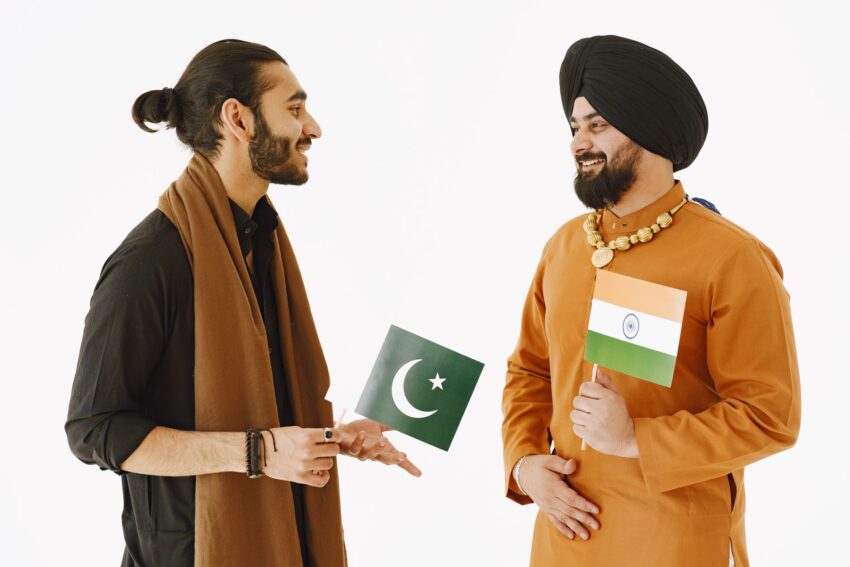
India Pakistan relations have taken a hit as India slams Pakistan at the UN over lies on Jammu and Kashmir, emphasizing the need for truth in international discourse.
Background of India Pakistan relations
The relationship between India and Pakistan has been marked by a series of conflicts and diplomatic tensions since their partition in 1947. The primary issues fueling this strained relationship include territorial disputes, particularly over the Kashmir region, and differing national identities.
In recent years, the discussion around India Pakistan relations has intensified on international platforms, including the United Nations. During a recent session, India condemned Pakistan for what it termed as “lies” regarding Jammu and Kashmir. This exchange highlighted the ongoing struggle for narrative control and the quest for international legitimacy by both nations.
Key factors influencing these relations include:
- The Kashmir conflict, which continues to be a flashpoint.
- Cross-border terrorism and military skirmishes.
- Attempts at dialogue that have frequently stalled.
Recent developments at the UN
Recent developments at the UN have further highlighted the ongoing tensions in India Pakistan relations. During a recent session, India strongly condemned Pakistan for what it termed as “lies” regarding the situation in Jammu and Kashmir.
The Indian representative emphasized the need for Pakistan to address its own issues, focusing on:
- Cross-border terrorism
- Human rights violations within its territory
- False narratives about Jammu and Kashmir
In response, Pakistan accused India of attempting to distract from its internal challenges. The exchange reflects the persistent friction between the two nations on various platforms, particularly at international forums like the UN.
This clash not only underscores the complexities of India Pakistan relations but also raises questions about the future of dialogue and cooperation.
India’s stance on Jammu and Kashmir
During the recent discussions at the UN, India firmly reiterated its position on Jammu and Kashmir, emphasizing its historical and legal claims over the region. Indian representatives highlighted several key points to counter Pakistan’s allegations, stating that:
- Jammu and Kashmir is an integral part of India and has been since the accession in 1947.
- Pakistan’s ongoing military presence in the region is a violation of international norms.
- India remains committed to dialogue but insists that any discussions regarding the region must occur bilaterally, without third-party involvement.
- Attempts by Pakistan to internationalize the issue are seen as efforts to divert attention from its own internal challenges.
India’s stance reflects its broader approach to India Pakistan relations, which has been marked by a desire for peace while firmly defending its territorial integrity.
Pakistan’s response to allegations
In response to India’s recent allegations at the United Nations, Pakistan has vehemently denied the claims regarding Jammu and Kashmir. A representative from Pakistan emphasized the nation’s position on the long-standing dispute, reiterating that India is fabricating information to divert attention from its own human rights violations in the region.
During the session, Pakistan’s envoy highlighted several key points:
- Historical Context: Pakistan argued that the Kashmir issue remains unresolved since the partition of the subcontinent in 1947.
- Human Rights Violations: The representative accused India of ongoing oppression and military actions against the Kashmiri population.
- Calls for Dialogue: Pakistan urged for a peaceful resolution, advocating dialogue between the two nations to improve India Pakistan relations.
This exchange at the UN underscores the deep-rooted tensions and differing narratives that continue to define the relationship between India and Pakistan.
International reactions to the conflict
The ongoing tensions between India and Pakistan have sparked significant international reactions, particularly during discussions at the United Nations. Various nations and organizations have expressed their viewpoints on the conflict, emphasizing the need for dialogue and peaceful resolution. The United States has called for restraint from both countries, urging them to engage in constructive talks to address their differences.
In contrast, several countries have shown support for Pakistan, criticizing India’s approach regarding Jammu and Kashmir. This divide reflects the complex geopolitical landscape, where alliances and historical grievances often influence diplomatic responses.
Moreover, the UN Security Council has reiterated its commitment to monitoring the situation closely, highlighting the importance of stability in South Asia. As India-Pakistan relations continue to evolve, the international community remains vigilant, advocating for a resolution that respects the rights and concerns of both nations.
Historical context of the dispute
The historical context of the dispute between India and Pakistan is rooted in the partition of British India in 1947, which led to the creation of two independent states. This division was marred by violence and mass migrations, igniting deep-seated tensions. The central issue has been the region of Jammu and Kashmir, claimed by both nations, which has triggered several wars and ongoing military skirmishes.
Since their independence, India and Pakistan have engaged in numerous diplomatic talks, but the underlying issues remain unresolved. The India Pakistan relations have been further complicated by political rhetoric and military posturing. Key events, such as the 1948 and 1971 wars, have left a lasting impact on their bilateral ties.
Additionally, both nations have sought to garner international support, leading to a complex web of alliances that influence their interactions on global platforms like the United Nations.
Future implications for peace
The ongoing tensions between India and Pakistan continue to shape the geopolitical landscape of South Asia. Future implications for peace are heavily dependent on the ability of both nations to engage in constructive dialogue. Without meaningful communication, the potential for conflict escalation remains high.
Analysts suggest that the current approach taken by both countries may hinder progress towards lasting peace. The frequent clashes at international platforms, such as the UN, highlight deep-rooted mistrust and a lack of willingness to compromise.
Key factors that could influence future relations include:
- Economic Cooperation: Engaging in trade could foster interdependence.
- Cultural Exchanges: Initiatives to improve people-to-people connections may soften hostility.
- International Mediation: Third-party involvement could facilitate negotiations.
Ultimately, the future of India-Pakistan relations will depend on both nations’ commitment to pursuing peace and stability in the region.
Conclusion and expert opinions
In conclusion, the recent exchange at the UN highlights the ongoing complexities surrounding India Pakistan relations. Experts suggest that while both nations remain entrenched in their positions, dialogue is crucial for long-term peace. Dr. Ayesha Khan, a prominent political analyst, emphasizes the need for a comprehensive approach: “Without addressing the root causes of the Kashmir issue, any resolution will be superficial.”
Furthermore, Professor Rajiv Malhotra believes that international mediation could play a pivotal role: “The international community must step in to facilitate discussions that consider both nations’ perspectives.” As tensions continue to escalate, the international reactions have underscored the necessity for a balanced and fair approach.
Ultimately, the future of India Pakistan relations hinges on the willingness of both sides to engage in constructive dialogue and work towards a peaceful resolution.
The recent discussions at the UN highlighted the complexities surrounding India Pakistan relations. As both nations presented their perspectives, it became evident that the path to peace in India Pakistan relations is fraught with challenges.
Photo by Gustavo Fring on Pexels
1 thought on “India Pakistan relations: The Honest Clash at UN”