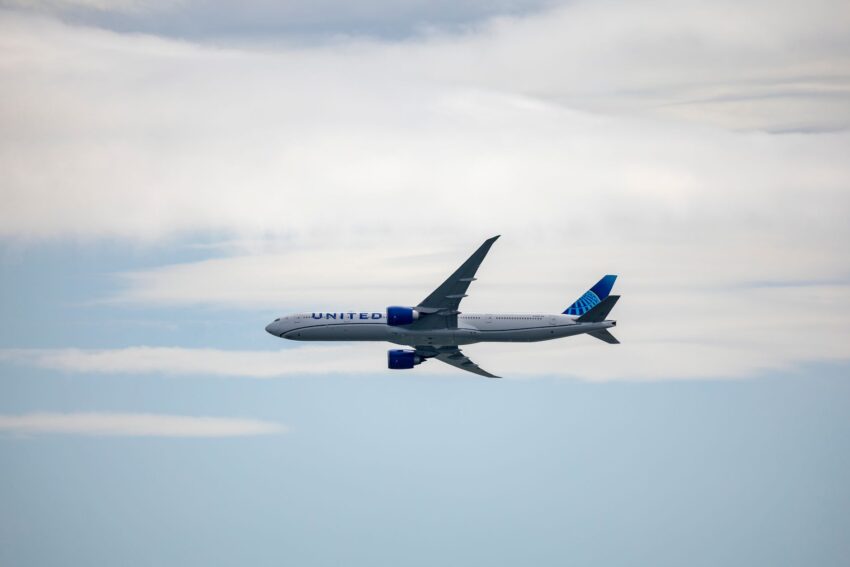
United Airlines AI ban has sparked significant debate among travelers. The airline’s decision to prohibit AI agents from booking flights on behalf of passengers is raising questions about the future of travel technology.
What Led to the United Airlines AI Ban?
In a surprising move, United Airlines has implemented a ban on AI agents from booking flights on behalf of travelers. This decision stems from a series of concerns regarding the reliability and transparency of AI-driven booking systems. Many travelers reported inconsistent experiences when using AI tools, leading to frustration and confusion.
One significant factor contributing to the United Airlines AI ban is the lack of personalized service. Traditional booking methods often provide human agents who can empathize with customer needs, offer tailored recommendations, and address specific inquiries. In contrast, AI agents may struggle to understand nuanced requests or adapt to changing circumstances.
Moreover, there have been rising concerns about data privacy and security. Travelers are increasingly wary of how their personal information is handled by AI systems. Reports of data breaches and misuse of sensitive information have heightened these concerns, prompting United Airlines to reevaluate its approach to AI technologies.
Additionally, the airline industry has faced increased scrutiny over customer service standards. Regulatory bodies and consumer advocacy groups have raised alarms about the potential for AI to exacerbate existing issues rather than resolve them. As a result, United Airlines is prioritizing human interaction to enhance customer satisfaction, making the ban on AI agents a strategic decision amid growing pressure.
Impact on Travelers and Their Booking Options
The recent United Airlines AI ban has sparked significant discussions regarding its implications for travelers and their booking options. With the rise of artificial intelligence in the travel industry, many customers have turned to AI agents for assistance in booking flights. However, United Airlines’ decision to prohibit these AI systems from managing bookings has left some travelers feeling uncertain about their future travel arrangements.
One major impact of this ban is the potential decrease in efficiency and convenience for customers. AI agents often provide quick responses and can streamline the booking process, allowing travelers to find the best deals and options in real-time. With these tools now off the table, customers may have to revert to traditional methods, which can be time-consuming and less personalized.
Additionally, the ban could result in longer wait times for customer service as more travelers turn to human representatives for assistance. This shift may overwhelm existing support channels, resulting in frustration for those needing immediate help.
On the other hand, supporters of the ban argue that it prioritizes human interaction, ensuring that travelers receive tailored service and support during their booking process. Ultimately, the long-term effects of the United Airlines AI ban on travelers will depend on how the airline adapts its services to meet customer needs in a rapidly evolving technological landscape.
Expert Opinions on AI in Travel
Experts in the travel and technology sectors have weighed in on the recent United Airlines AI ban, raising varied opinions about its implications for the industry and travelers. Many believe that while the decision may seem protective, it could also stifle innovation in the travel booking process.
Dr. Emily Tran, a technology analyst, argues that United Airlines is taking a cautious approach. She states, “By banning AI agents from booking flights, the airline is prioritizing customer service and human interaction, which can lead to better problem resolution.” However, she also cautions that this move could hinder the efficiency that AI can bring to the travel booking experience.
On the other hand, Mark Robinson, a travel consultant, views the ban as a potential setback. “AI systems can process vast amounts of data and provide personalized recommendations quickly. United Airlines’ decision could lead to longer wait times for travelers seeking assistance,” he explains.
Furthermore, some industry insiders suggest that the ban may reflect a broader concern regarding the reliability of AI in handling complex travel itineraries. Ultimately, the United Airlines AI ban raises important questions about the balance between technology and human touch in the travel sector.
The Future of AI in Airline Services
The recent United Airlines AI ban raises questions about the future of artificial intelligence in airline services. As technology continues to evolve, many travelers have come to rely on AI-driven tools for a smoother booking experience. However, the decision by United Airlines signifies a potential shift in how airlines perceive the role of AI in customer service.
While AI can streamline processes and enhance efficiency, concerns about accuracy and personalization have led to skepticism. Many passengers appreciate the human touch, especially when navigating complex travel itineraries or dealing with unexpected changes. The future of AI in airline services may hinge on finding the right balance between automation and human interaction.
In response to the ban, other airlines are watching closely. Some may view this as an opportunity to differentiate themselves by investing more heavily in AI, while others might reconsider their strategies to ensure customer trust. Travelers, on the other hand, could see a diverse range of options as airlines experiment with new technologies.
In the long run, the integration of AI in the travel industry will likely continue to evolve. Whether it becomes an indispensable tool or a supplementary service will depend on how airlines address the concerns that have led to the United Airlines AI ban and the overall response from their customers.
Alternatives for Booking Flights
As travelers seek to navigate the evolving landscape of air travel, the recent United Airlines AI ban raises questions about alternative methods for booking flights. While some may miss the convenience offered by AI, there are several traditional and innovative options available.
- Travel Agents: Personal interaction with a travel agent can provide tailored recommendations and support for complex itineraries. Agents often have insider knowledge that can lead to uncovering deals and enhancing the travel experience.
- Airline Websites: Booking directly through airline websites remains a reliable choice. Travelers can access exclusive offers, manage their bookings, and receive customer support without relying on automated systems.
- Online Travel Agencies (OTAs): Platforms like Expedia, Kayak, and Orbitz allow users to compare prices across multiple airlines and find the best deals. These sites often feature user reviews, which can help in making informed decisions.
- Mobile Apps: Many airlines and travel companies offer mobile applications that simplify the booking process. These apps often provide notifications about price drops and allow for quick, on-the-go bookings.
- Social Media: Some travelers have turned to social media platforms to find promotions and connect with airlines for customer service inquiries, making it a modern tool for travel planning.
While the United Airlines AI ban may limit some automated conveniences, these alternatives ensure that travelers can still navigate their journey efficiently.
Customer Reactions to the Ban
Customer reactions to the United Airlines AI ban have been mixed, reflecting a range of opinions on the impact of artificial intelligence in travel. Many travelers express concern over the decision, fearing it may hinder their ability to book flights efficiently.
- Support for the Ban: Some customers appreciate the move, believing that human agents provide a more personalized experience. They argue that human interaction is crucial when addressing complex travel needs or unexpected issues.
- Disappointment from Others: Conversely, other travelers feel frustrated by the ban. They argue that AI agents often streamline the booking process, allowing for quicker responses and more efficient service, especially during peak travel times.
- Concerns About Accessibility: A number of customers raised concerns about accessibility, suggesting that the ban may disproportionately affect those who rely on AI tools for assistance due to language barriers or disabilities.
- Call for Transparency: Many travelers are calling for greater transparency regarding the reasons behind the United Airlines AI ban. They want to understand how this decision was made and what alternatives will be offered.
As the debate unfolds, it remains to be seen how this ban will affect customer loyalty and the overall travel experience with United Airlines.
Conclusion: What’s Next for United Airlines?
As United Airlines implements its AI ban, the travel industry watches closely to see how this decision will shape the future of flight bookings. While the airline aims to prioritize human interaction and customer service, the effectiveness of this strategy remains uncertain. Travelers accustomed to the convenience of AI-driven services may find themselves adjusting to a more traditional booking process.
The challenge for United Airlines will be to maintain efficiency while ensuring a high level of customer satisfaction. With competitors still leveraging AI technology to streamline their operations, the pressure is on United to prove that their approach is superior. Travelers may appreciate the personal touch of human agents, but they might also miss the speed and ease that AI can provide.
Looking ahead, United Airlines will need to gather feedback from travelers to assess the impact of the AI ban on their overall experience. It will be crucial for the airline to adapt swiftly based on customer preferences and industry trends. The potential for innovation in customer service remains significant, and the airline must find a balance between traditional methods and modern technology.
As the landscape of air travel continues to evolve, only time will tell if United Airlines’ decision to impose an AI ban will resonate positively with its passengers or become a point of contention in an increasingly digital world.
The United Airlines AI ban has sparked a heated debate among travelers and industry experts alike. Many are questioning whether the United Airlines AI ban will ultimately enhance passenger safety or hinder the efficiency of air travel.
Photo by Stephen Leonardi on Pexels
1 thought on “United Airlines AI ban: Is It the Right Move for Travelers?”