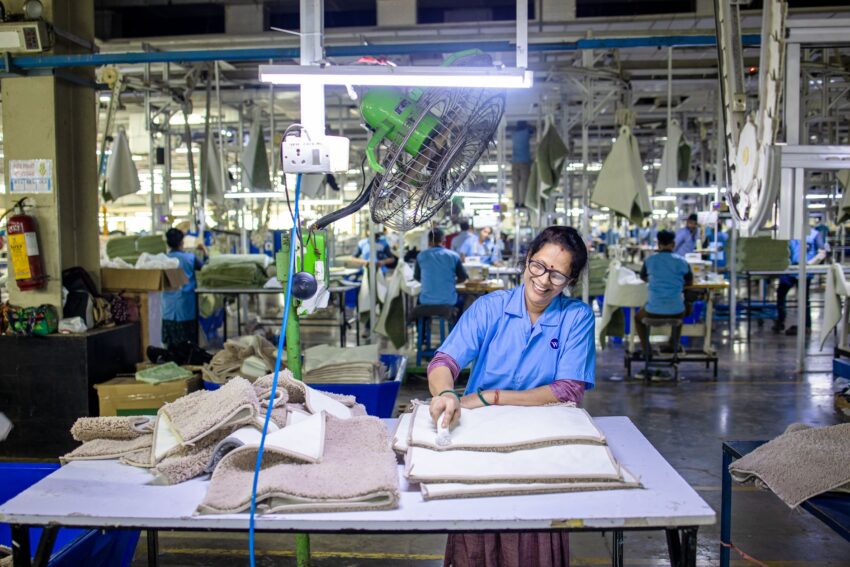
The India productivity crisis highlights the severe impact of smog on the nation’s workforce. As pollution levels rise, the effects on productivity are becoming increasingly alarming.
Understanding the India Productivity Crisis
The India productivity crisis has emerged as a significant concern, particularly exacerbated by the increasing levels of air pollution. With dense smog enveloping major cities, the impact on worker efficiency is profound.
Studies indicate that poor air quality leads to:
- Decreased cognitive function: Workers struggle to concentrate and make decisions.
- Health issues: Respiratory problems and other illnesses reduce the workforce’s capacity.
- Increased absenteeism: Many employees are unable to come to work due to pollution-related health concerns.
- Lower productivity: The overall output declines, contributing to an estimated $85 billion loss in the economy.
Addressing the India productivity crisis requires urgent action to improve air quality and protect the health of workers.
The Economic Toll of Smog
The persistent issue of smog in India has significant implications for productivity, contributing to what experts call the India productivity crisis. The dense air pollution not only affects the health of workers but also hampers their efficiency, leading to staggering economic losses.
According to recent estimates, the economic toll of working through smog could reach up to $85 billion annually. This figure highlights the challenges faced by industries, especially those reliant on outdoor labor. The consequences of smog include:
- Increased health issues: Respiratory problems and other related illnesses reduce the workforce’s overall effectiveness.
- Decreased morale: Workers are less motivated when faced with hazardous conditions.
- Reduced operational hours: Many businesses are forced to limit hours due to poor air quality.
Addressing this crisis is essential for India’s economic future.
Health Risks Associated with Air Pollution
The health risks associated with air pollution in India are severe and multifaceted, exacerbating the ongoing India productivity crisis. Prolonged exposure to smog can lead to a range of respiratory illnesses, cardiovascular diseases, and even premature death. The following health concerns are particularly alarming:
- Respiratory Issues: Increased cases of asthma and chronic bronchitis.
- Cardiovascular Problems: Higher risk of heart attacks and strokes.
- Mental Health Effects: Elevated anxiety and depression levels linked to poor air quality.
- Impact on Children: Developmental issues and decreased lung function in young populations.
As workers grapple with these health risks, productivity further declines, intensifying the economic consequences of the persistent smog enveloping major Indian cities.
Government Initiatives to Combat Smog
The Indian government has launched several initiatives aimed at combating the severe air pollution contributing to the India productivity crisis. These measures include:
- Strengthening regulations on industrial emissions to ensure factories adhere to stricter air quality standards.
- Promoting green energy solutions, such as solar and wind power, to reduce dependence on fossil fuels.
- Implementing tree-planting drives in urban areas to improve air quality and enhance green cover.
- Raising public awareness about the health impacts of smog, encouraging citizens to adopt more sustainable habits.
- Investing in public transportation to decrease vehicular emissions and promote eco-friendly commuting options.
These initiatives are crucial in addressing the multifaceted challenges associated with air pollution and its ramifications on productivity.
Long-term Solutions for a Healthier Workforce
The long-term solutions for addressing the India productivity crisis caused by smog require a multifaceted approach. Policymakers, businesses, and communities must collaborate to implement sustainable strategies that promote a healthier workforce.
Key solutions include:
- Investing in Clean Technology: Transitioning to cleaner energy sources can significantly reduce air pollution.
- Improving Urban Infrastructure: Enhancing public transportation and green spaces can help decrease vehicular emissions.
- Raising Public Awareness: Educating citizens about the health risks associated with smog can foster community-driven initiatives.
- Health Monitoring Programs: Establishing regular health assessments for workers can mitigate the impact of air pollution on productivity.
By prioritizing these initiatives, India can work towards a sustainable solution that not only addresses the immediate effects of smog but also enhances overall productivity.
Photo by EqualStock IN on Pexels
1 thought on “India Productivity Crisis: The Worst Impact of Smog Explained”