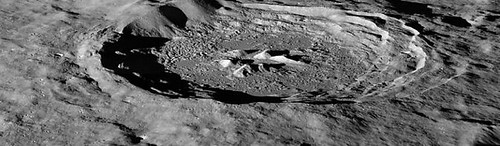
The Moon water mission aims to explore lunar resources, and Japan has unveiled a rover prototype to support this groundbreaking initiative.
Overview of the Moon water mission
The Moon water mission is an ambitious endeavor aimed at exploring the presence of water on the lunar surface. Recently, Japan unveiled a new rover prototype designed specifically for this mission, highlighting the nation’s commitment to lunar exploration.
The rover is equipped with advanced technology to analyze lunar soil and detect water sources, which could be crucial for future human habitation and resource utilization on the Moon. As scientists believe that water is essential for sustaining life, finding accessible water could pave the way for long-term missions and possibly even colonization.
Several key features of the rover prototype include:
- Autonomous Navigation: The rover can navigate the lunar terrain without human intervention, allowing for efficient exploration.
- Advanced Sensors: It is equipped with state-of-the-art sensors capable of identifying water ice and other valuable resources.
- Durable Design: Built to withstand the harsh conditions of the lunar environment, the rover aims to operate effectively over extended periods.
As part of the broader Moon water mission, this prototype represents a significant step toward unlocking the Moon’s secrets and utilizing its resources for future space exploration.
Japan’s rover prototype features
Japan’s rover prototype, designed specifically for the Moon water mission, showcases a range of innovative features aimed at ensuring its success on the lunar surface. With the primary goal of locating and analyzing water resources, the rover is equipped with advanced scientific instruments and state-of-the-art technology.
Among its standout features are:
- High-resolution cameras: These cameras allow the rover to capture detailed images of the lunar terrain, facilitating navigation and site selection for water exploration.
- Drilling capabilities: The prototype includes specialized drills that can penetrate the lunar regolith to extract samples for analysis, increasing the potential to discover water ice.
- Autonomous navigation: Utilizing cutting-edge AI, the rover can navigate the Moon’s challenging landscape without constant control from Earth, making it more efficient in its search.
- Robust design: Built to withstand extreme temperatures and radiation, the rover’s materials and structure ensure durability during its mission.
As Japan moves forward with its Moon water mission, the performance of this prototype will be critical in determining the feasibility of future lunar explorations aimed at uncovering water resources.
Importance of lunar water exploration
The exploration of lunar water through the Moon water mission is crucial for several reasons. It represents a significant step in understanding the Moon’s resources and potential for supporting future human activities. Water is essential not only for sustaining life but also for producing fuel and oxygen, making it a valuable asset for long-term lunar habitation.
Moreover, lunar water could serve as a resource for scientific research. By analyzing the composition and distribution of water on the Moon, scientists can gain insights into the Moon’s geological history and its formation. This knowledge could also shed light on the broader solar system’s evolution.
In addition to its scientific value, the presence of water on the Moon has implications for future space exploration. It could enable deeper space missions, allowing astronauts to refuel spacecraft and reducing the amount of supplies needed from Earth. This could make missions to Mars and beyond more feasible.
The Moon water mission also emphasizes international collaboration in space exploration. Countries and organizations working together on this initiative can share technology, expertise, and resources, fostering a sense of unity in the pursuit of common goals.
In summary, the importance of lunar water exploration extends beyond mere curiosity; it has the potential to transform our approach to living and working in space.
Future of space missions
The future of space missions is increasingly tied to the exploration of lunar resources, particularly water. The Moon water mission represents a pivotal step in understanding how celestial bodies can support human life and long-term exploration. As nations and private entities invest in space technology, the potential for sustainable lunar bases grows more tangible.
One of the key challenges for future missions will be developing efficient methods to extract and utilize water from the Moon’s surface. This necessity highlights the importance of the Moon water mission, which aims not only to locate water but also to assess its viability for human consumption and fuel production.
As we look ahead, several factors will influence the success of upcoming space missions:
- Technological advancements: Innovations in robotics and automation will play a crucial role in the efficiency of lunar operations.
- International collaboration: Partnerships between countries could accelerate research and development efforts.
- Funding and investment: Sustained financial support will be essential for the continuation of ambitious projects.
Ultimately, the success of the Moon water mission could set a precedent for future explorations, inspiring a new era of space discovery.
Challenges in lunar exploration
The quest for lunar resources presents numerous challenges that must be addressed to ensure the success of the Moon water mission. Although advancements in technology have paved the way for exploration, several obstacles remain.
- Harsh Environment: The Moon’s surface is subjected to extreme temperatures and radiation, which can affect both the rover’s functionality and the integrity of collected samples.
- Communication Delays: The distance from Earth creates time lags in communication, complicating real-time decision-making and data transmission during critical mission phases.
- Resource Management: Efficiently utilizing energy and materials during the mission is vital. The rover must conserve resources while maximizing its exploration capabilities.
- Terrain Navigation: The lunar surface is uneven and filled with craters, making navigation challenging. Advanced mobility solutions are needed to traverse these obstacles safely.
- Sample Collection: Collecting and storing water samples without contamination is crucial. Developing reliable methods to extract and preserve these resources poses technical challenges.
Addressing these challenges will be key to the success of the Moon water mission and could significantly impact future lunar and extraterrestrial exploration efforts.
By NASA Goddard Photo and Video via Openverse
Where this came from
Related reading
Best Chief Legal Officers India: Discover the Top 10 Leaders · Tanishaa Mukerji’s Bold Claim: Sai Pallavi’s Casting in ‘Ram’ · Karthigai Deepam row: The Real Impact on Indian Politics
1 thought on “Moon water mission: Is it the best prototype for success?”