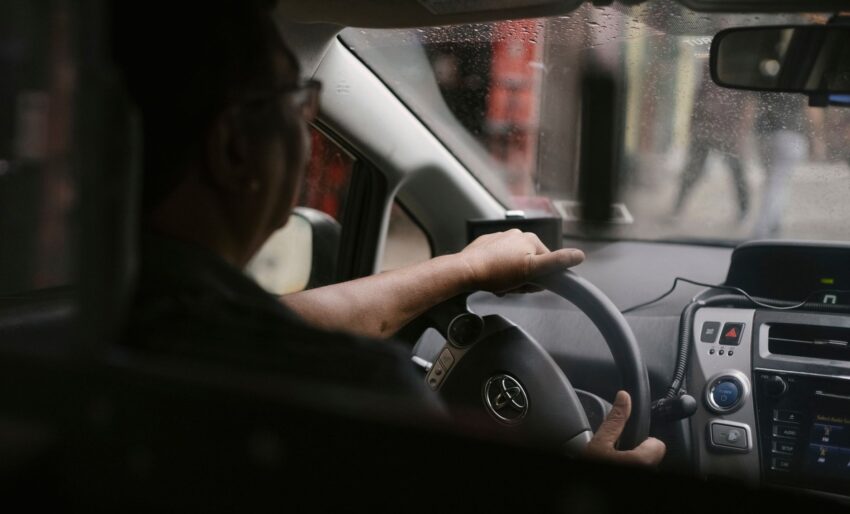
DoorDash driver deportation has become a significant issue after a US judge intervened in a case involving an ICE shooting. This ruling highlights ongoing debates about immigration enforcement and worker protections.
Background on the DoorDash driver case
The case of the DoorDash driver deportation has garnered significant attention in recent months, raising questions about the treatment of undocumented workers in the United States. The individual at the center of the controversy is a DoorDash driver who was apprehended by Immigration and Customs Enforcement (ICE) after being shot during a delivery. This incident has sparked a debate about the rights of delivery workers and the implications of deportation for their ability to support their families.
In a recent ruling, a US judge intervened, blocking the deportation efforts against the driver, citing humanitarian concerns and the circumstances surrounding the shooting. Many advocates argue that this case highlights the vulnerabilities faced by immigrant workers in the gig economy, where they often lack the protections and legal status afforded to traditional employees.
Supporters of the driver have emphasized the need for comprehensive immigration reform, pointing out that deportation could not only sever ties with family and community but also undermine the essential services provided by gig workers. As the debate continues, the DoorDash driver deportation case serves as a critical example of the intersection between immigration policy and labor rights, prompting discussions about how such decisions impact vulnerable populations in the workforce.
Details of the ICE shooting incident
On a fateful day in early October, a DoorDash driver found himself in the midst of an alarming incident involving Immigration and Customs Enforcement (ICE) agents. Reports indicate that the driver, who was delivering food, was approached by ICE officers in a manner that escalated quickly. Witnesses described a chaotic scene as agents attempted to detain him, resulting in a confrontation that led to gunfire.
The driver, who has since become a focal point in discussions surrounding immigration enforcement, was shot during the altercation. Fortunately, he survived the incident, but the event has raised serious concerns about the tactics employed by ICE in urban areas. Many community members expressed their outrage, arguing that such actions threaten the safety of innocent individuals going about their daily lives.
Following the shooting, the situation intensified as the driver faced the looming threat of deportation. Advocates for immigrants rallied in support of the DoorDash driver, arguing that his deportation would not only be unjust but also a reflection of broader systemic issues within immigration policy. In a significant development, a U.S. judge intervened, blocking the deportation proceedings, which has sparked a renewed debate about the implications of ICE’s actions on ordinary citizens.
Legal implications of the judge’s ruling
The recent ruling by a US judge regarding the deportation of a DoorDash driver has raised significant legal implications that could affect immigrant workers across the country. By blocking the deportation, the judge has set a precedent that may influence future cases involving individuals facing similar circumstances.
Legal experts have pointed out several key factors involved in this ruling:
- Due Process: The judge emphasized the importance of due process rights, arguing that the driver did not receive adequate protection under immigration laws.
- Public Safety: The ruling also highlighted concerns about the public safety implications of deporting individuals who play essential roles in the community, such as gig economy workers.
- Judicial Precedent: This case could serve as a landmark decision, potentially influencing how courts interpret immigration laws and the treatment of workers in the gig economy.
- Government Accountability: The decision calls for greater accountability from immigration enforcement agencies, especially in how they handle cases involving non-violent individuals.
As the legal battle continues, the DoorDash driver deportation case may serve as a turning point in the ongoing debate about immigration policy and workers’ rights within the gig economy.
Public reaction to the deportation block
The public reaction to the recent ruling regarding the DoorDash driver deportation has been overwhelmingly supportive of the decision to block the deportation. Many individuals have taken to social media to express their relief, viewing the judge’s ruling as a necessary step in protecting vulnerable workers. Some activists argue that the case exemplifies the broader issues within immigration enforcement, particularly concerning the treatment of undocumented immigrants.
Numerous community members have organized protests, demanding more transparency and accountability from Immigration and Customs Enforcement (ICE). They believe that the deportation of the DoorDash driver would have set a dangerous precedent, potentially deterring other undocumented workers from seeking assistance in emergencies.
Supporters of the driver argue that he was simply trying to make a living and that targeting him for deportation after a traumatic incident is unjust. According to Maria Gonzalez, an activist with a local immigrant rights group, “This is not just about one driver; it’s about the lives of countless individuals who face similar threats.”
In contrast, some critics have raised concerns about the implications of the ruling on national security and immigration policy. They argue that allowing the DoorDash driver deportation to be blocked could undermine enforcement efforts.
Future of immigration policies in the US
The future of immigration policies in the United States remains a contentious topic, especially in light of recent events surrounding the DoorDash driver deportation case. As debates continue, several key factors are influencing the direction of these policies.
- Political Climate: The current political landscape plays a significant role in shaping immigration laws. With differing views between parties, any changes to policy are often met with intense scrutiny and resistance.
- Public Sentiment: The public’s reaction to high-profile cases, such as that of the DoorDash driver, highlights a growing concern over the treatment of immigrants. Many advocate for more humane policies that consider individual circumstances.
- Legal Precedents: Court rulings like the recent decision to block the deportation have profound implications for future cases. Judges are increasingly weighing the human rights aspects against existing immigration laws.
- Advocacy Efforts: Non-profit organizations and community groups are mobilizing to protect vulnerable populations. Their efforts aim to influence policymakers and advocate for comprehensive immigration reforms.
As discussions continue, the fate of many immigrants hangs in the balance, making it imperative to closely monitor developments in U.S. immigration policies.
The recent case of DoorDash driver deportation has sparked intense debate among lawmakers and advocates. Many argue that DoorDash driver deportation undermines the contributions of immigrant workers in the gig economy.
Photo by Tim Samuel on Pexels
1 thought on “DoorDash driver deportation: Is it the worst decision ever?”