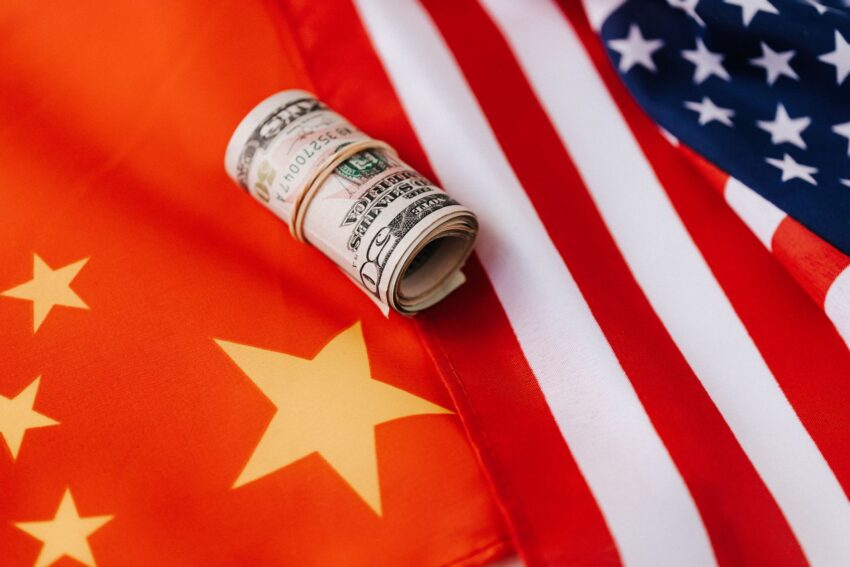
economic diplomacy in India is becoming a pivotal strategy for states seeking to enhance their global presence and foster international partnerships.
Understanding Economic Diplomacy
Economic diplomacy in India has emerged as a crucial tool for enhancing the nation’s global standing and fostering economic growth. This approach involves leveraging international negotiations and collaborations to secure favorable economic outcomes.
Understanding economic diplomacy requires an appreciation of its multifaceted nature, which includes:
- Trade Relations: Strengthening ties with various countries to boost exports and imports.
- Investment Opportunities: Attracting foreign direct investment (FDI) through favorable policies and incentives.
- Cultural Exchange: Promoting cultural ties that can lead to enhanced business relationships.
- Technology Transfer: Collaborating with global partners for innovation and development.
By actively engaging in economic diplomacy, India aims to position itself as a key player on the international stage, driving development and prosperity for its citizens.
The Role of Indian States
The role of Indian states in advancing economic diplomacy is crucial for the nation’s overall growth and global standing. As states seek to build international partnerships, they play a pivotal role in attracting foreign investments and fostering trade relations.
Several strategies have emerged, showcasing how regional governments are enhancing their economic outreach:
- Tailored Trade Missions: States are organizing trade missions to target specific markets, effectively promoting local industries.
- Investment Promotion Agencies: Establishing agencies dedicated to attracting investments has become a priority for many states.
- Collaboration with Global Corporations: States are partnering with multinational companies to enhance technology transfer and job creation.
- Cultural Diplomacy: Leveraging cultural ties helps states build soft power, which is essential for successful economic diplomacy in India.
These initiatives reflect a proactive approach towards a more integrated global economic presence.
Key Strategies for Global Engagement
India’s approach to economic diplomacy has evolved significantly, focusing on several key strategies to enhance global engagement. These strategies include:
- Strengthening Bilateral Ties: India has been actively pursuing bilateral trade agreements to foster economic relationships with various countries.
- Leveraging Soft Power: Cultural diplomacy and people-to-people connections play a crucial role in enhancing India’s global image, facilitating smoother trade negotiations.
- Investing in Infrastructure: By improving infrastructure at home and abroad, India seeks to create better trade routes and enhance connectivity.
- Promoting Innovation: India is focusing on technology transfer and innovation partnerships to attract foreign investments and bolster its economic diplomacy.
These strategies reflect India’s commitment to positioning itself as a key player in the global economy, showcasing the importance of economic diplomacy in India’s international relations.
Success Stories from Indian States
Economic diplomacy in India has seen remarkable success stories from various states that have effectively leveraged their unique strengths to engage globally. For instance, Maharashtra has established a robust framework to attract foreign investments, resulting in significant economic growth and job creation. Meanwhile, Gujarat has positioned itself as a leader in renewable energy initiatives, successfully forging partnerships with international firms.
Another notable example is Karnataka, which has become a hub for technology and innovation, drawing attention from global tech giants. Tamil Nadu has also made strides in automotive manufacturing, enhancing its economic diplomacy by showcasing its potential at international trade fairs.
These success stories illustrate how Indian states are vital players in economic diplomacy, using tailored strategies to strengthen their global presence and foster sustainable development.
Challenges Facing Economic Diplomacy
Despite the promising advancements in economic diplomacy in India, several challenges hinder its effectiveness.
One major issue is the lack of coherence among various state policies, which can result in conflicting approaches to international engagement. Additionally, there is often insufficient coordination between state and central governments, leading to missed opportunities in global markets.
Another challenge is the limited resources and expertise available to smaller states, which may struggle to compete with larger, more established players.
Furthermore, the evolving geopolitical landscape requires constant adaptation, and states must be agile in their strategies to respond to shifting dynamics.
Finally, the need for effective communication and branding in international forums is crucial, as states must clearly articulate their unique value propositions to attract foreign investments.
The Future of India’s Global Presence
The future of India’s global presence is set to be shaped significantly by its approach to economic diplomacy. As India continues to strengthen its international relationships, the focus will increasingly be on forging strategic partnerships that drive mutual growth.
Key elements influencing this future include:
- Innovation and Technology: Leveraging advancements to enhance trade and investment opportunities.
- Sustainability: Emphasizing green initiatives will attract foreign investments aligned with global environmental goals.
- Regional Cooperation: Enhancing ties with neighboring countries to bolster trade networks and economic collaboration.
- Cultural Exchange: Promoting cultural diplomacy to foster goodwill and deeper connections.
As economic diplomacy in India evolves, it will play a pivotal role in positioning the nation as a prominent player on the global stage, driving sustainable development and prosperity.
Conclusion: The Path Ahead
In conclusion, the path ahead for economic diplomacy in India is filled with opportunities and challenges. As Indian states increasingly engage on the global stage, it is crucial to leverage proven strategies to enhance their competitive edge. The collaboration between state and central governments will be pivotal in creating a cohesive approach to economic diplomacy.
Furthermore, fostering relationships with foreign investors and businesses will enable Indian states to attract investment and drive development. It is essential to address existing challenges, such as bureaucratic hurdles and infrastructure deficits, to ensure sustainable growth.
By continuing to adapt and innovate, India can solidify its position as a key player in the global economy. Ultimately, a robust framework for economic diplomacy will not only benefit individual states but will contribute significantly to the nation’s overall prosperity.
One of the key aspects of economic diplomacy in India is fostering strong bilateral relations with other countries to enhance trade and investment opportunities. Additionally, the government has implemented various initiatives that showcase the effectiveness of economic diplomacy in India.
Photo by https://kaboompics.com/ on Pexels
1 thought on “Economic Diplomacy in India: Proven Strategies for Success”