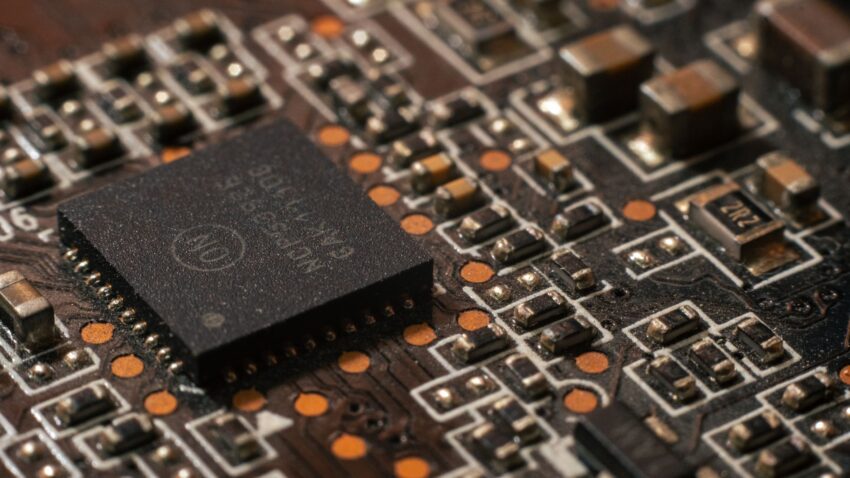
AI chip connectivity is transforming how devices communicate and operate. This advancement is crucial for enhancing performance across various industries.
Understanding AI Chip Connectivity
As the demand for artificial intelligence (AI) continues to surge, the focus on AI chip connectivity has become paramount in enhancing overall performance. The integration of AI chips in various devices is not merely about processing power; it also involves how these chips communicate with one another and with other components.
AI chip connectivity refers to the methods and technologies that enable seamless communication between AI processors, memory units, and peripheral devices. This connectivity can significantly affect the speed, efficiency, and reliability of AI applications. A well-connected AI chip architecture allows for faster data transfer and improved processing capabilities, which are essential for real-time applications like autonomous driving and smart city initiatives.
Key features of effective AI chip connectivity include:
- High Bandwidth: The ability to transfer large amounts of data quickly is crucial for AI workloads.
- Low Latency: Minimizing the delay in data transmission enhances the responsiveness of AI systems.
- Scalability: A robust connectivity framework must support the integration of additional chips as AI demands grow.
Emerging technologies, such as advanced interconnects and high-speed communication protocols, are paving the way for more efficient AI chip connectivity. As industries increasingly adopt AI solutions, understanding and optimizing this connectivity will be vital for maximizing performance and ensuring competitive advantage.
The Impact of AI on Device Performance
The integration of artificial intelligence (AI) into device performance is rapidly transforming the tech landscape. One of the most significant advancements is the development of AI chip connectivity, which allows devices to process vast amounts of data more efficiently than ever before.
As companies continue to invest in AI technology, the performance of everyday devices is being enhanced in numerous ways. Notably, AI chips are designed to optimize various functions, resulting in:
- Improved Speed: AI chips can analyze and process data at lightning speed, enabling quicker responses and real-time processing.
- Enhanced Efficiency: With AI chip connectivity, devices can manage resources more effectively, leading to better battery life and reduced energy consumption.
- Increased Accuracy: AI algorithms running on specialized chips can perform complex calculations with higher precision, improving the overall reliability of applications.
Moreover, the reliance on AI chip connectivity extends beyond consumer electronics. Industries such as healthcare, automotive, and manufacturing are harnessing these advancements to innovate and streamline operations. For instance, autonomous vehicles utilize AI chips to interpret sensor data in real-time, significantly enhancing safety and navigation.
As AI technology evolves, the role of AI chip connectivity will undoubtedly be pivotal in shaping the future of device performance, making it an essential area of focus for both developers and consumers alike.
Challenges in AI Chip Connectivity
As the demand for enhanced performance in AI applications grows, several challenges in AI chip connectivity have emerged that could hinder progress. These challenges are critical for developers and manufacturers aiming to optimize device capabilities.
- Integration Complexity: The integration of various AI chips with existing systems poses significant technical hurdles. Different architectures and communication protocols can lead to compatibility issues, complicating the design process.
- Bandwidth Limitations: Effective AI chip connectivity requires large data transfers in real-time. Insufficient bandwidth can bottleneck performance, limiting the capabilities of AI applications and slowing down processing times.
- Heat Management: High-performance AI chips tend to generate substantial heat. Efficient connectivity solutions must also address thermal management to prevent overheating, which can lead to reduced performance or hardware failure.
- Scalability Concerns: As AI models become more complex, the need for scalable connectivity solutions grows. Current infrastructures may struggle to support the rapid expansion of AI applications, leading to potential performance degradation.
- Cost Implications: Advanced connectivity solutions may come with increased costs, posing a barrier for smaller companies or startups. Budget constraints can limit the adoption of optimal technologies, affecting overall performance.
Addressing these challenges is essential for leveraging the full potential of AI chip connectivity and enhancing device performance in a competitive landscape.
Future Trends in AI Technology
The landscape of AI technology is rapidly evolving, with emerging trends that promise to reshape the future of connectivity and performance. As industries increasingly rely on artificial intelligence, the significance of AI chip connectivity becomes more pronounced. Enhanced connectivity among AI chips facilitates faster data processing and improved communication between devices, which is essential for real-time applications.
One notable trend is the integration of AI chips with edge computing. This shift allows data to be processed closer to the source, reducing latency and bandwidth usage. As more devices become interconnected, the demand for efficient AI chip connectivity solutions will grow. Companies are exploring new architectures and protocols that can handle the increasing volume of data generated by IoT devices, ensuring seamless interactions.
Another trend is the focus on energy efficiency. As AI applications expand, the need for sustainable solutions becomes critical. Future AI chips are expected to prioritize low power consumption while maintaining high performance, making AI chip connectivity vital for optimizing energy use across networks.
Lastly, the advent of 5G technology is set to revolutionize AI connectivity. With its high-speed capabilities, 5G will enable faster data transfers and more reliable connections, further enhancing the performance of AI systems. Overall, the future trends in AI technology highlight the crucial role of AI chip connectivity in driving innovation and efficiency across various sectors.
Why AI Chip Connectivity Matters
As the demand for advanced computing solutions continues to rise, AI chip connectivity has emerged as a pivotal factor in enhancing overall performance. The integration of artificial intelligence technologies into various devices necessitates seamless communication between chips, ensuring that data is processed efficiently and effectively. This connectivity enables systems to harness the full potential of AI algorithms, allowing for faster decision-making and improved functionality.
Moreover, effective AI chip connectivity is crucial for enabling real-time processing capabilities. As industries increasingly rely on AI for critical operations, the ability to transmit data rapidly between chips can significantly influence performance metrics. For example, in sectors such as healthcare and finance, where timely insights are paramount, the efficiency of AI chip interconnectivity can mean the difference between success and failure.
Another important aspect is the role of connectivity in energy efficiency. With rising concerns over energy consumption, optimizing the communication pathways between AI chips can lead to reduced power usage. This not only lowers operational costs but also aligns with global sustainability efforts.
In summary, the significance of AI chip connectivity cannot be overstated. As technological advancements progress, the focus on refining these connections will likely drive further innovations in AI, ultimately leading to enhanced performance across various applications. Stakeholders in the tech industry must prioritize this aspect to remain competitive in an ever-evolving landscape.
Photo by Ivan Chumak on Pexels
1 thought on “Is AI Chip Connectivity the Best Way to Enhance Performance?”