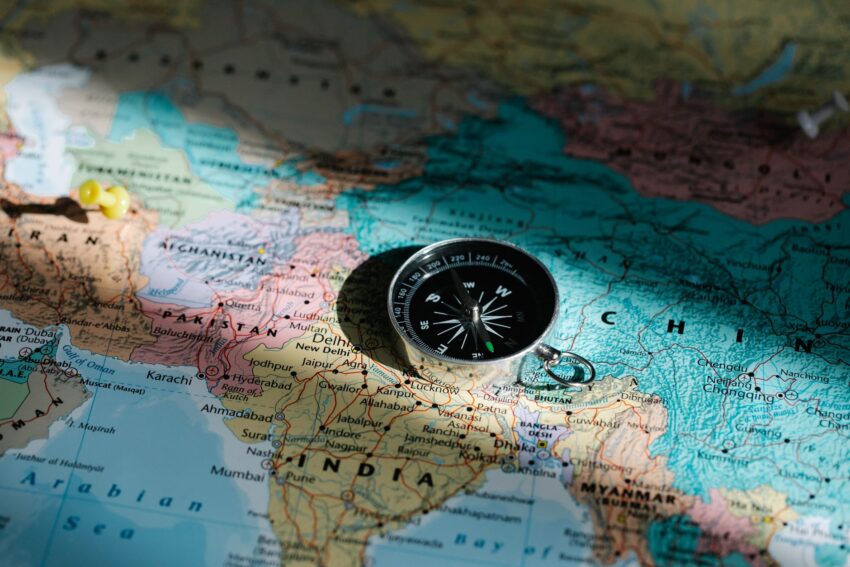
Marco Rubio India itinerary has been announced, and notably, it does not include a stop in Delhi. This decision has sparked discussions about his diplomatic engagements in the region.
Overview of Marco Rubio’s India Trip
Marco Rubio’s India itinerary has garnered attention due to its strategic focus and notable omissions. The trip aims to strengthen U.S.-India relations, particularly in areas of security and economic cooperation. Rubio, a prominent U.S. senator, is expected to engage in discussions with key Indian officials to address mutual concerns and opportunities.
During his visit, Rubio plans to explore several major cities, emphasizing:
- Economic Partnerships: Engaging with business leaders to promote trade and investment.
- Security Cooperation: Discussing collaborative efforts to combat terrorism and enhance regional stability.
- Technology Initiatives: Fostering dialogue on innovation and tech development between the two nations.
Interestingly, the itinerary does not include a stop in Delhi, which has raised some eyebrows among political analysts. Many expected the capital to be a focal point of his visit, given its significance in diplomatic relations. Nonetheless, Rubio’s India itinerary remains a crucial step in enhancing bilateral ties, reflecting his commitment to engaging with key partners in the Indo-Pacific region.
Key Stops on the Itinerary
During his visit to India, Senator Marco Rubio has scheduled several key stops that highlight his focus on strengthening bilateral relations. The Marco Rubio India itinerary includes strategic meetings and engagements designed to enhance cooperation on various fronts.
- Mumbai: Rubio will begin his trip in Mumbai, where he plans to meet with business leaders to discuss investment opportunities and economic collaboration.
- Bangalore: In Bangalore, the senator is expected to visit tech hubs and startups, emphasizing the importance of innovation and technology exchange between the United States and India.
- Hyderabad: A stop in Hyderabad will feature discussions on defense and security partnerships, as both nations seek to address regional challenges.
- Chennai: Rubio’s itinerary also includes Chennai, where he will engage with cultural organizations to promote people-to-people ties and cultural diplomacy.
Notably absent from the itinerary is a stop in Delhi, which has raised questions about the implications for U.S.-India diplomatic relations. Despite this, Rubio’s trip aims to reinforce the strategic partnership and foster greater collaboration.
Implications of No Delhi Visit
The decision by Senator Marco Rubio to exclude a visit to New Delhi from his India itinerary has raised several important implications. As one of the largest democracies and a key player in South Asia, India is often seen as a critical partner for the United States in various geopolitical matters. The absence of a stop in the capital may be interpreted in several ways.
- Diplomatic Relations: Not visiting New Delhi could signify a lack of emphasis on strengthening bilateral ties, particularly in areas such as trade and security.
- Regional Politics: By bypassing the capital, Rubio might miss crucial opportunities to engage with key Indian leaders and decision-makers who could influence future collaborations.
- Public Perception: The omission may prompt questions regarding the U.S. commitment to India, possibly impacting how American interests are viewed in the region.
- Focus on Other Regions: Rubio’s itinerary suggests a strategic focus on other parts of India, which may indicate a shift in interests or priorities.
Ultimately, the implications of no Delhi visit in Marco Rubio’s India itinerary could resonate well beyond this trip, affecting broader diplomatic strategies.
Reactions from Political Analysts
Political analysts have expressed a range of reactions regarding Marco Rubio’s India itinerary, particularly noting the absence of a stop in the capital city. Many believe this decision reflects a strategic choice amidst changing geopolitical dynamics.
Some experts highlight that the omission of New Delhi could signal a shift in priorities, suggesting that Rubio may be focusing on regional partnerships over traditional diplomatic hubs. Dr. Anita Sharma, a political analyst at the Institute of South Asian Studies, stated, “Not visiting Delhi could indicate a desire to engage more directly with local leaders in other parts of India.”
On the other hand, critics argue that skipping the capital may hinder his ability to address key issues with central government officials. John Matthews, a foreign policy expert, commented, “A trip without a Delhi stop raises questions about the depth of his engagement and the seriousness of his commitment to strengthening ties between the U.S. and India.”
Overall, reactions to Marco Rubio’s India itinerary reveal a complex landscape of expectations and concerns, as stakeholders await further developments from his trip.
Comparison with Previous Visits
Marco Rubio’s India itinerary marks a departure from his previous visits to the country, which typically included a stop in the political heart of India, New Delhi. In earlier trips, Rubio engaged with key government officials and participated in discussions focused on strengthening U.S.-India relations. This time, however, the absence of a Delhi visit raises eyebrows and invites comparisons with past engagements.
During his last visit in 2019, Rubio attended high-profile meetings in New Delhi and had a series of discussions with Indian leaders on trade, security, and regional stability. His itinerary then reflected a balanced approach to diplomacy, showcasing his commitment to fostering ties between the two nations.
In contrast, the current Marco Rubio India itinerary emphasizes other regions, focusing on economic collaboration and cultural exchanges. This shift may signal a strategic choice to engage with different stakeholders, yet it also leads to speculation regarding the implications of not addressing the central government directly.
Political analysts note that while this itinerary may limit direct engagement with New Delhi, it could open doors to regional partnerships and initiatives that are equally vital for U.S. interests in the region.
What This Means for US-India Relations
The absence of a Delhi stop in Marco Rubio’s India itinerary has raised eyebrows among political analysts and diplomats alike. This decision may signal a shift in how U.S. lawmakers engage with India, a country that has increasingly become a strategic partner for the United States. By choosing to visit other key regions, Rubio aims to highlight the diverse economic and cultural landscapes of India, which could strengthen bilateral ties beyond traditional political hubs.
Furthermore, this itinerary reflects a nuanced approach to U.S.-India relations, emphasizing regional cooperation and local governance over centralized politics. Such a strategy might resonate with Indian officials who are keen on promoting regional development initiatives. Analysts suggest that Rubio’s visit could pave the way for deeper economic collaborations, particularly in sectors like technology and defense.
This approach also aligns with the broader U.S. strategy of engaging with India as a pivotal player in the Indo-Pacific region. By focusing on local interactions, Rubio’s trip may foster grassroots connections that reinforce the U.S. commitment to supporting India’s democratic values and economic growth.
In summary, Marco Rubio’s India itinerary reflects a strategic recalibration that could potentially enhance U.S.-India relations in meaningful ways.
Public Opinion on His Itinerary
As Senator Marco Rubio embarks on his India itinerary, public opinion appears divided regarding his travel plans. Many constituents express excitement about his journey, viewing it as an opportunity to strengthen US-India relations. However, some are critical of the decision to exclude a stop in Delhi, the heart of Indian politics.
Several polls indicate that a significant portion of the public believes that a visit to the capital would have been essential. They argue that engaging directly with Indian leaders in Delhi could yield more substantial diplomatic outcomes. Among the respondents, supporters of Rubio commend his focus on other regions, emphasizing the importance of diverse meetings across the country, while critics question the effectiveness of his itinerary.
Additionally, social media platforms are flooded with discussions, with some users expressing concern about potential missed opportunities. Others highlight the significance of Rubio’s planned stops in key economic hubs, arguing that these locations could lead to fruitful discussions on trade and technology.
Ultimately, the mixed reactions to Marco Rubio’s India itinerary reflect broader sentiments about the current state of US foreign policy and its strategic approach towards Asian partnerships.
Future Diplomatic Moves Expected
As Marco Rubio embarks on his India itinerary, the future of U.S.-India relations is under keen observation. Political analysts anticipate that this trip may pave the way for significant diplomatic moves aimed at strengthening ties between the two nations.
Rubio’s absence from Delhi, the political heart of India, has raised eyebrows among experts. Nevertheless, his chosen destinations are strategically important, focusing on economic partnerships and regional security. Analysts suggest that this could signal a shift in U.S. diplomatic strategy in Asia, prioritizing alliances that address mutual interests.
Key discussions are expected to revolve around trade agreements, technology collaborations, and joint military exercises. These topics are vital as both nations navigate challenges posed by rising geopolitical tensions. Rubio’s meetings with business leaders and government officials may also lead to prospective deals that could enhance bilateral cooperation.
Overall, Marco Rubio’s India itinerary is seen as a critical step in fostering a robust U.S.-India relationship. His actions during this visit may influence future diplomatic initiatives, setting the stage for deeper engagement between Washington and New Delhi.
The Marco Rubio India itinerary includes key meetings with government officials and business leaders to strengthen diplomatic ties. Additionally, the Marco Rubio India itinerary features cultural events aimed at enhancing mutual understanding between the two nations.
Photo by Lara Jameson on Pexels
1 thought on “Marco Rubio India itinerary: A Clear Overview of His Plans”