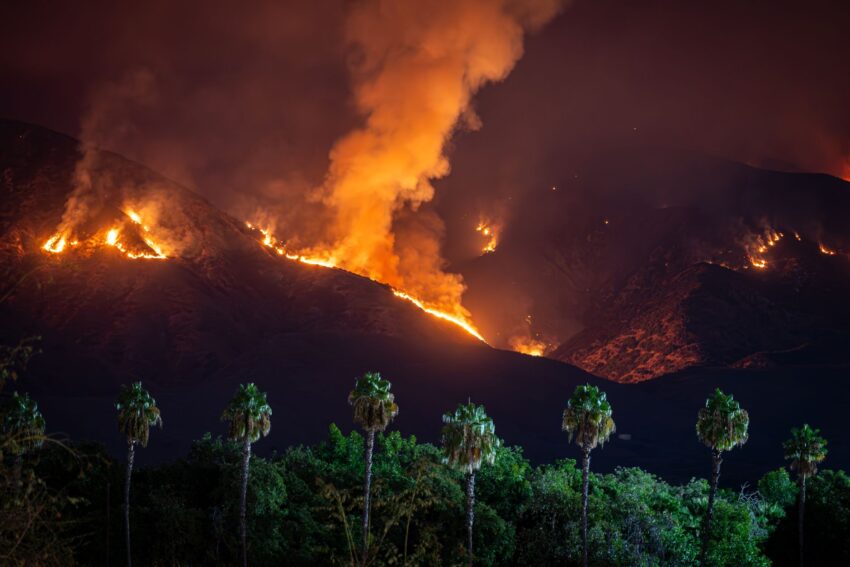
California fires are wreaking havoc as hot winds exacerbate the situation, leading to the destruction of coastal homes. This disaster highlights the urgent need for effective fire management strategies.
Understanding the Causes of California Fires
California fires have become a devastating annual occurrence, often exacerbated by a combination of natural and human factors. Understanding the causes is essential to mitigating their impact.
One of the primary contributors to the intensity of these fires is hot, dry winds, which can rapidly spread flames across vast areas. These winds, often referred to as Santa Ana or Diablo winds, create conditions that make it difficult for firefighters to control blazes.
Additionally, climate change plays a significant role, leading to longer dry seasons and increased temperatures. As a result, vegetation becomes more susceptible to catching fire, providing ample fuel for existing and new blazes.
Human activity also contributes to the problem, with factors such as:
- Negligent behavior, including campfires left unattended
- Power lines sparking during windy conditions
- Urban development encroaching on wildfire-prone areas
These elements combine to create an environment where California fires can thrive, posing risks not only to wildlife but also to human lives and property.
Impact on Coastal Communities
The recent California fires have had devastating effects on coastal communities, with residents facing destruction and displacement. As hot winds swept through, flames rapidly engulfed homes, leaving many families in despair.
Coastal towns, often viewed as safe havens, are now grappling with the aftermath of these fierce blazes. The impacts include:
- Property Loss: Many coastal homes have been reduced to ashes, resulting in significant financial and emotional tolls on families.
- Evacuations: Thousands have been forced to evacuate their homes, leading to chaos and uncertainty in local shelters.
- Environmental Damage: The fires have caused severe damage to local ecosystems, threatening wildlife and natural landscapes.
- Economic Strain: Local businesses are suffering as tourism declines and residents face the costs of rebuilding.
As the state grapples with the crisis, the community is coming together to support those affected. Volunteers are providing aid, while local officials work tirelessly to manage the ongoing situation. The future of these coastal communities remains uncertain as they face the daunting challenge of recovery from the California fires.
Emergency Response Efforts
As California fires rage across the state, emergency response efforts are in full swing to combat the blazes exacerbated by hot winds. Firefighters are working tirelessly to contain the spread of flames while ensuring the safety of residents in affected areas.
Local and state agencies have mobilized resources, including:
- Firefighting aircraft for aerial support.
- Ground crews equipped with fire engines and heavy machinery.
- Evacuation teams assisting residents in high-risk zones.
In addition to firefighting efforts, emergency management teams are coordinating with community organizations to provide essential services to displaced families. These services include:
- Emergency shelters offering temporary housing.
- Food and water distribution points.
- Counseling and mental health support for those affected.
Despite the challenges posed by the unpredictable winds, responders remain committed to protecting lives and property. With the ongoing threat of California fires, the collaboration between agencies and communities plays a critical role in mitigating the impacts of these devastating events.
Long-term Effects of Wildfires
The long-term effects of wildfires in California extend beyond immediate destruction, impacting both the environment and communities for years to come. One significant consequence is the alteration of local ecosystems, where native plant species struggle to recover from the intense heat and flames. The fires can lead to soil erosion, making areas more vulnerable to flooding and landslides during rainstorms.
Additionally, the air quality in regions affected by California fires often remains compromised long after the flames have been extinguished. Smoke and particulate matter can linger, posing health risks to residents, especially those with pre-existing respiratory conditions. Children and the elderly are particularly susceptible to these lingering effects.
The economic impacts are also profound, with many businesses suffering from loss of income due to evacuations and property damage. Rebuilding efforts can take years, delaying economic recovery and community revitalization.
Moreover, the psychological toll on residents cannot be overlooked. Many individuals experience anxiety and trauma associated with the threat of future fires, which can lead to long-term mental health issues.
In summary, the repercussions of California fires are far-reaching, affecting not just the immediate area but also the overall resilience of communities and ecosystems.
Preventative Measures for Homeowners
Homeowners in fire-prone areas must take proactive steps to safeguard their properties against the devastating effects of California fires. As climate conditions continue to evolve, understanding and implementing preventative measures are essential for minimizing risks.
Firstly, it is crucial to create a defensible space around homes. This involves:
- Clearing vegetation: Remove dead plants, leaves, and debris from the vicinity of your home.
- Landscaping wisely: Use fire-resistant plants and materials in landscaping to reduce flammability.
- Maintaining your yard: Regularly trim trees and shrubs, keeping them at least 10 feet apart.
In addition, homeowners should invest in fire-resistant building materials for roofs, decks, and siding. Using double-paned windows can also help slow the spread of flames and heat.
Moreover, a comprehensive evacuation plan is essential. Homeowners should establish a communication plan with family members and know multiple routes to safety in case of an emergency. By taking these steps, residents can better protect their homes and loved ones from the worst impacts of California fires.
Community Support Initiatives
In the wake of the devastating California fires, community support initiatives have emerged as a beacon of hope for those affected. Local organizations, residents, and volunteers have come together to provide aid and resources to fire victims.
Efforts include:
- Fundraising Events: Numerous community-driven events are being organized to raise funds for those who have lost their homes and belongings.
- Food and Shelter Drives: Local shelters are working tirelessly to gather supplies, offering food and temporary housing to those displaced by the fires.
- Emotional Support Services: Mental health professionals are providing counseling and support to help individuals cope with the trauma caused by the wildfires.
- Rebuilding Initiatives: Programs are being launched to assist families in rebuilding their homes, emphasizing sustainable and fire-resistant construction practices.
These initiatives not only address immediate needs but also foster a sense of community resilience. As California continues to face the threat of wildfires, the support shown by neighbors and local organizations underscores the importance of unity in overcoming such challenges.
Future of Fire Management in California
The future of fire management in California is increasingly focused on adapting to the changing climate and enhancing community resilience. As California fires become more frequent and intense, experts emphasize the need for innovative strategies to mitigate risks.
Key elements in the future of fire management include:
- Improved Fire Forecasting: Utilizing advanced technology and data analytics to predict fire behavior can help in deploying resources effectively.
- Restoration of Natural Landscapes: Reintroducing fire as a natural process in certain ecosystems can help maintain the health of forests, reducing the fuel load.
- Community Engagement: Involving local residents in fire preparedness programs is essential to foster a culture of safety and awareness.
- Collaboration Across Agencies: State, federal, and local agencies must work together to share resources and information for a more unified response.
As California faces the realities of climate change, adapting fire management practices will be vital in protecting communities and ecosystems alike. The ongoing evolution of strategies will play a crucial role in minimizing the devastating impacts of future California fires.
Photo by Soly Moses on Pexels
1 thought on “California fires: Worst impacts from hot winds revealed”