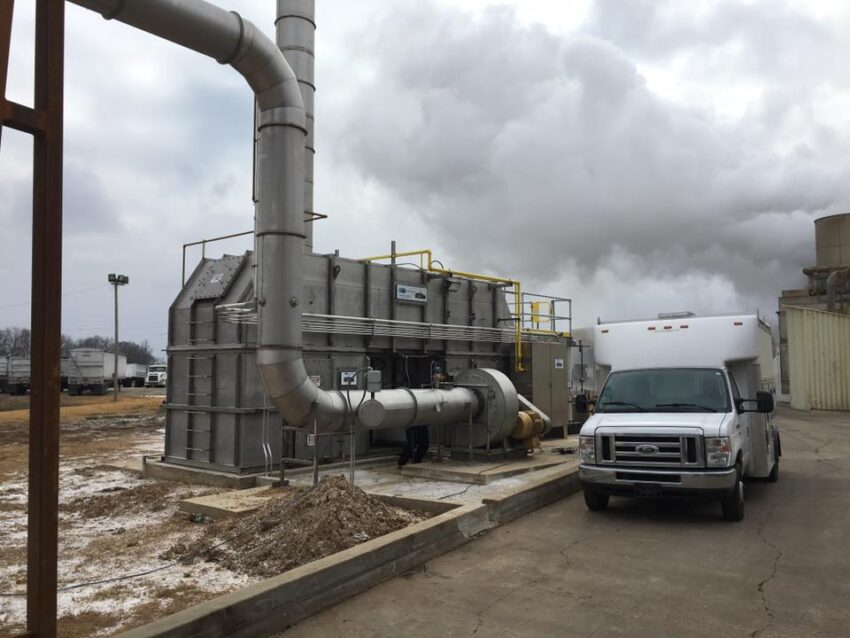
air pollution controls are becoming increasingly important as Delhi prepares for winter. The Indian capital is stepping up its efforts to tackle the growing smog problem that plagues the city each year.
Current Air Quality in Delhi
The current air quality in Delhi has raised significant concerns among residents and authorities alike. As the winter season approaches, pollution levels tend to spike, exacerbating health issues and environmental conditions. The city’s air quality index often reaches alarming levels, prompting urgent action from the government.
In response to these challenges, the Delhi government has implemented various air pollution controls aimed at reducing harmful emissions. Key measures include:
- Ban on construction activities during peak pollution periods.
- Promotion of public transportation to reduce vehicular emissions.
- Increased monitoring of industrial emissions and tougher penalties for violations.
These steps are crucial for improving the air quality and ensuring a healthier environment for the residents of Delhi.
Government Initiatives
The government of Delhi has implemented several initiatives aimed at reducing air pollution levels, particularly as winter approaches. These measures focus on enhancing air pollution controls to ensure a healthier environment for residents.
Key initiatives include:
- Stricter Vehicle Emission Standards: The government has mandated more rigorous checks on vehicle emissions to limit pollutants.
- Promotion of Public Transport: Increased investment in public transit systems aims to reduce the number of vehicles on the road.
- Dust Control Measures: Construction sites are now required to adopt strict dust suppression techniques to minimize airborne particulate matter.
- Green Cover Expansion: Initiatives to plant more trees across the city are underway to improve air quality naturally.
These actions reflect the government’s commitment to improving air quality in the capital.
Impact of Winter on Pollution
The arrival of winter in Delhi significantly exacerbates air pollution levels, primarily due to temperature inversions that trap pollutants close to the ground. The stagnant air can lead to a dramatic increase in harmful particulate matter, affecting the health of residents. In response, authorities are implementing stricter air pollution controls to combat these seasonal spikes.
Several factors contribute to the worsening air quality during this time, including:
- Increased use of heating systems in homes and businesses
- Burning of agricultural residue in neighboring states
- Higher emissions from vehicles due to fog and reduced visibility
To mitigate these challenges, the government is focusing on enhanced monitoring and enforcement of regulations aimed at reducing emissions and promoting cleaner alternatives.
Public Response to Measures
As the Indian capital intensifies its air pollution controls ahead of winter, public response has been a mix of optimism and skepticism. Many residents appreciate the government’s commitment to improving air quality, but some are concerned about the effectiveness of these measures in the long term.
In a recent survey, citizens expressed their views on the new regulations:
- Support for Initiatives: 65% of respondents believe that stricter regulations on construction and vehicular emissions will lead to cleaner air.
- Concerns: 30% voiced doubts about the enforcement of these air pollution controls, citing previous failures as a reason for their apprehension.
- Call for Community Action: Many residents are advocating for community-led initiatives, emphasizing the need for collective efforts alongside government policies.
Ultimately, while there is hope for a healthier environment, the public remains vigilant in demanding accountability and sustained action.
Future Plans for Air Quality Improvement
As Delhi grapples with persistent air quality challenges, future plans for air quality improvement are being developed to enhance air pollution controls. Authorities are focusing on several key strategies to combat the growing issue.
- Implementation of stricter regulations: New policies aimed at reducing emissions from vehicles and industrial sources are being proposed.
- Investment in public transport: Expanding public transport options is essential to decrease reliance on private vehicles.
- Promotion of green spaces: Increasing green cover in urban areas can help absorb pollutants and improve overall air quality.
- Public awareness campaigns: Educating citizens about the impact of air pollution and encouraging eco-friendly practices will be vital.
These measures, if effectively implemented, could significantly enhance air pollution controls and contribute to a cleaner, healthier Delhi.
By Combustion2016 via Openverse
1 thought on “Air Pollution Controls: Effective Measures for Cleaner Delhi”