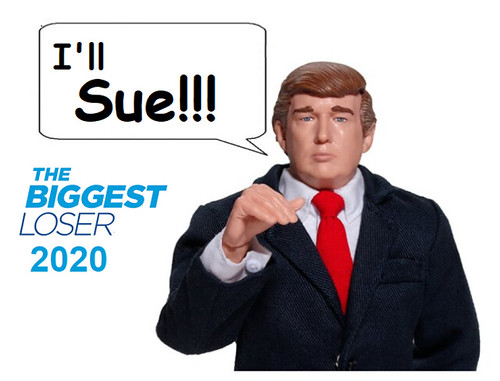
Republican Loser Voters has sparked controversy after a candidate took a bitter swipe at her own supporters, raising questions about party unity.
Understanding the Fallout from the Remarks
In the wake of controversial remarks made by a prominent Republican figure, the reaction from constituents has been swift and severe. Dubbed the “Republican Loser Voters” by some commentators, these remarks have sparked widespread outrage among the party’s base. Many feel that the comments reflect a growing disconnect between elected officials and the very voters they are meant to represent.
Critics argue that such language undermines the trust that constituents place in their leaders. The fallout from the remarks has led to a series of repercussions, including:
- Loss of Support: Many voters are re-evaluating their allegiance to the party, feeling alienated by the dismissive tone.
- Mobilization of Opponents: The comments have energized opponents and could potentially lead to increased turnout in upcoming elections.
- Calls for Accountability: Party members are demanding that their leaders take responsibility and address the sentiments expressed by their constituents.
As the situation unfolds, it remains to be seen how these remarks will impact the party’s future. The “Republican Loser Voters” narrative may not only affect individual politicians but could also reshape the broader political landscape as voters seek leaders who genuinely represent their interests and concerns.
What This Means for the Republican Party
The recent remarks made by a high-profile Republican have sparked significant controversy, highlighting a growing divide within the party. The term “Republican Loser Voters” has emerged in discussions, encapsulating the sentiment that some party members feel alienated by their own representatives. This situation raises important questions about the future direction of the Republican Party.
As the party grapples with these tensions, several implications are evident:
- Voter Alienation: Many constituents may feel disregarded, leading to decreased support in upcoming elections. The backlash against such remarks could drive away voters who feel their concerns are not being taken seriously.
- Internal Divisions: The comments may intensify existing rifts within the party, between traditional conservatives and more populist factions. This schism could hinder the party’s ability to present a unified front.
- Impact on Outreach: Efforts to engage with disenfranchised voters will likely be challenged by the perception that some Republican leaders view their base with disdain. Building trust will require substantial effort and genuine outreach.
- Election Strategy Reevaluation: Party strategists may need to reassess their approach, focusing on inclusivity and understanding the needs of all constituents to avoid further alienation.
The implications of these remarks extend far beyond a single incident, potentially reshaping the Republican Party’s identity and its relationship with voters moving forward.
Voter Reactions to the Candidate’s Comments
In the wake of the controversial remarks made by a prominent Republican candidate, reactions from constituents have poured in, revealing a deep sense of betrayal among many voters. The candidate’s comments, which many interpreted as a direct affront to her base, have sparked outrage and disappointment, particularly among those who identify as Republican loser voters.
Social media has become a hotbed for expressing discontent, with numerous users mocking the candidate’s statements. One Twitter user wrote, “It’s hard to support someone who openly disrespects their own voters. This isn’t just a campaign misstep; it’s a slap in the face.” Many feel that such comments alienate those who have stood by the party through thick and thin.
In a recent poll, a significant percentage of Republican voters expressed their dissatisfaction, indicating that they might reconsider their support moving forward. They are calling for more respect and acknowledgment from candidates who claim to represent their interests.
As the backlash continues to grow, some party insiders are urging the candidate to clarify her remarks and mend relationships with her constituents. They warn that alienating Republican loser voters could have severe repercussions in upcoming elections.
Ultimately, these events underline an urgent need for Republican candidates to engage more thoughtfully with their base, lest they risk further fracturing the party’s support.
Historical Context of Party Conflicts
The political landscape in the United States has long been marked by tensions between party leaders and their constituents. The phrase “Republican loser voters” has emerged in recent discourse, capturing the frustrations of a segment of the electorate who feel alienated by their party’s leadership. This sentiment is not new; it reflects a historical pattern where politicians distance themselves from their base, often leading to significant consequences.
Throughout history, various political parties have faced internal strife, particularly during election cycles. For instance, in the late 1960s, the Democratic Party experienced a schism over civil rights and the Vietnam War, which ultimately alienated many traditional voters. Similarly, the Republican Party has seen its share of conflicts, especially when candidates dismiss or disparage their own supporters.
In recent years, the rise of populism has shifted the dynamics of party loyalty, with voters increasingly demanding accountability from their representatives. The comments made by some Republican leaders, labeling their own supporters as “losers,” exemplify this disconnect. Such remarks are not merely gaffes; they reflect a deeper ideological rift that can jeopardize electoral success.
This historical context is crucial to understanding the current political climate, as it underscores the challenges faced by parties that fail to engage meaningfully with their constituents. The fallout from such conflicts can resonate for years, influencing voter loyalty and shaping future elections.
Future Implications for Upcoming Elections
The recent remarks made by a prominent Republican candidate have left many wondering about the future implications for upcoming elections. As the fallout continues, it is crucial to analyze how the sentiments expressed may affect voter turnout and party loyalty.
Republican loser voters, feeling alienated by the comments, may reconsider their support in the next election cycle. The candidate’s harsh words could create a rift between the party and its base, prompting some to question their allegiance. This shift could lead to a decline in voter enthusiasm, particularly among those who feel marginalized by their own party.
Additionally, the impact of these remarks may extend beyond immediate voter reactions. Political analysts suggest that such comments could galvanize opposition parties, leading to more organized campaigns aimed at wooing disillusioned Republican voters. If these voters feel that their concerns are not being addressed, they may seek alternative candidates who resonate more with their values and aspirations.
The repercussions could also influence candidate selection in future primaries. If party leaders recognize the discontent among Republican loser voters, they may be more inclined to support candidates who prioritize inclusivity and connection with the grassroots. Ultimately, how the party navigates this situation will be pivotal in shaping its prospects in upcoming elections.
The recent comments made by party leaders have left many questioning their commitment to the needs of Republican Loser Voters. Ignoring the concerns of Republican Loser Voters could have serious repercussions in upcoming elections.
By Mike Licht, NotionsCapital.com via Openverse
1 thought on “Republican Loser Voters: The Worst Swipe at Constituents”