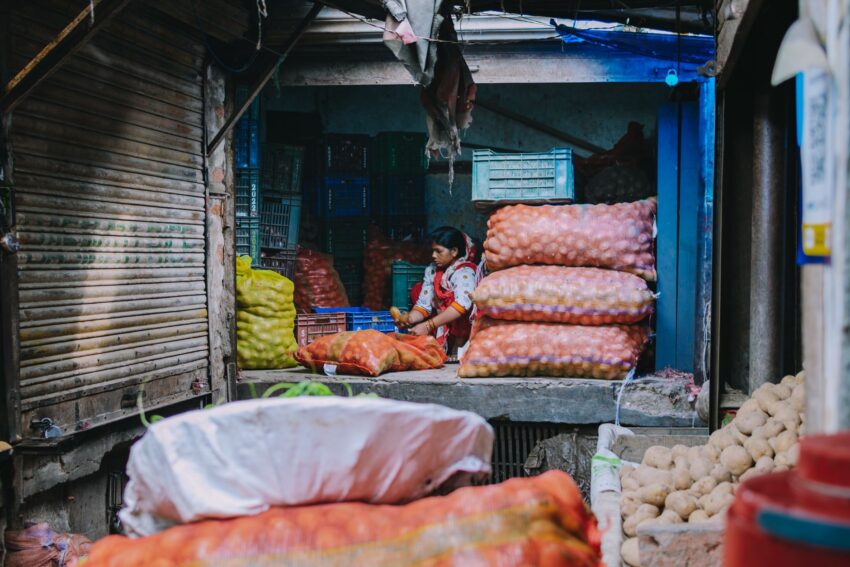
India retail inflation October reached 6.09% on-year, indicating rising economic pressures that may affect consumers and businesses alike.
Understanding India’s Retail Inflation
India’s retail inflation for October has been a topic of significant concern, with the latest figures revealing a year-on-year increase of 6.09%. This surge is primarily attributed to rising prices in various sectors that impact the everyday consumer.
To understand the implications of this inflation rate, it is essential to consider several key factors:
- Food Prices: The cost of essential food items has seen a marked rise, contributing heavily to overall inflation. Items such as vegetables, grains, and pulses have been particularly affected.
- Fuel Costs: Increases in fuel prices have had a ripple effect on transportation and logistics, leading to higher prices for goods across the board.
- Consumer Spending: As prices rise, consumer purchasing power diminishes, leading to a potential slowdown in economic growth. Households are becoming more cautious with their spending.
These trends indicate a challenging landscape for consumers and policymakers alike, as the government grapples with measures to mitigate the impact of rising retail inflation in India.
Key Factors Driving Inflation in October
As India grapples with its retail inflation in October, several key factors are driving the rising prices across various sectors. Understanding these elements is crucial for consumers and policymakers alike.
- Food Prices: A significant contributor to the inflation rate is the surge in food prices. Seasonal fluctuations and supply chain disruptions have led to higher costs for essential items, impacting household budgets.
- Fuel Costs: The ongoing volatility in global oil prices has also played a pivotal role. Increased transportation costs have been passed on to consumers, further exacerbating inflationary pressures.
- Demand Recovery: Following the pandemic, a robust recovery in consumer demand has pushed prices upward. As more people return to normal spending habits, the demand-supply imbalance has contributed to inflation concerns.
- Monsoon Impact: Unpredictable monsoon patterns have affected crop yields, causing price hikes in agricultural products. This has a ripple effect on overall inflation rates, particularly in rural areas.
These factors combined have led to India’s retail inflation in October being reported at 6.09% on a year-on-year basis, raising concerns among economists about the sustainability of economic recovery.
India Retail Inflation October: What It Means
The recent data indicating that India retail inflation in October has reached 6.09% on a year-on-year basis raises significant concerns for consumers and policymakers alike. This figure not only highlights the ongoing challenges faced by the economy but also underscores the broader implications for various sectors.
For consumers, rising inflation means higher prices for essential goods and services, which can strain household budgets. Many families may find it increasingly difficult to afford basic necessities such as food, fuel, and housing. As a result, discretionary spending may decline, impacting overall economic growth.
From a policy perspective, the central bank may need to consider adjusting interest rates to counteract inflationary pressures. Higher rates can slow down borrowing and spending, but they also risk stifling investment and economic recovery.
In summary, the October data on India retail inflation serves as a critical reminder of the need for strategic measures to manage rising prices. As inflation persists, both consumers and businesses must navigate the shifting landscape carefully.
The Impact of Inflation on Consumers
The rising retail inflation in India during October, recorded at 6.09% on-year, has significant implications for consumers across the country. As prices for essential goods and services continue to climb, many households are feeling the strain on their budgets.
Several key areas are particularly affected by the surge in inflation:
- Food Prices: The cost of staples such as vegetables, grains, and dairy products has increased sharply, forcing families to rethink their purchasing habits.
- Fuel Costs: With energy prices on the rise, transportation expenses have escalated, impacting both personal and public transport budgets.
- Housing and Utilities: Rent and utility bills have seen upward adjustments, further squeezing disposable income for many consumers.
As the impact of inflation on consumers grows, people are increasingly adjusting their spending patterns. Many are opting for cheaper alternatives or reducing non-essential purchases in response to the financial pressures stemming from India retail inflation October. This shift can have long-term effects on consumption trends and economic growth.
Government Response to Rising Inflation
The Indian government has been closely monitoring the rising retail inflation, which stood at 6.09% in October. In response to the escalating prices, several measures have been proposed to mitigate the effects on consumers and stabilize the economy.
Among the primary strategies being considered are:
- Monetary Policy Adjustments: The Reserve Bank of India (RBI) may consider raising interest rates to curb spending and control inflation.
- Supply Chain Improvements: The government is focusing on enhancing the efficiency of supply chains to ensure better availability of essential goods, thereby reducing prices.
- Subsidies and Support: Financial support for the agricultural sector could help stabilize food prices, which significantly contribute to the overall inflation rate.
- Price Monitoring: Increased scrutiny of market prices for essential commodities aims to deter price gouging and ensure fair pricing.
As rising inflation continues to challenge consumers, the government’s proactive steps are crucial in addressing the implications of India retail inflation in October.
Historical Context of India’s Inflation Rates
India’s retail inflation in October has been influenced by a complex historical context that has shaped its economic landscape. Over the past few decades, inflation rates have experienced significant fluctuations, often driven by various socio-economic factors.
In the early 2000s, India saw relatively low inflation rates, often hovering around 3-4%. However, the global financial crisis of 2008 triggered a series of price hikes, pushing inflation rates upwards. Since then, the Reserve Bank of India has implemented various monetary policies to control inflation, aiming for a target range of 2-6%.
In recent years, particularly in 2021 and 2022, inflation surged due to supply chain disruptions, rising commodity prices, and the aftereffects of the COVID-19 pandemic. As per the latest data, India’s retail inflation in October stood at 6.09% on-year, reflecting persistent pressures on consumer prices.
Historically, food prices have been a major contributor to overall inflation rates. This trend continues, as the prices of essential goods fluctuate based on seasonal changes and market dynamics. Understanding these trends is crucial for analyzing the current landscape of India’s retail inflation in October.
Expert Opinions on Future Trends
Experts have weighed in on the implications of India’s retail inflation for October, which stands at 6.09% on-year. Many analysts express concern regarding the sustainability of this trend, noting several critical factors that could shape the future landscape of inflation in the country.
- Supply Chain Disruptions: Experts warn that ongoing supply chain issues may exacerbate inflationary pressures, making essential goods more costly.
- Global Economic Factors: The international economic environment, including fluctuations in oil prices and geopolitical tensions, continues to play a significant role in shaping domestic inflation.
- Monetary Policy Adjustments: Some analysts suggest that the Reserve Bank of India may need to reconsider its monetary policy strategies to combat rising inflation effectively.
- Consumer Behavior: Shifts in consumer spending habits, influenced by rising prices, will also impact inflation trends in the coming months.
In conclusion, while India retail inflation for October has raised alarms, experts emphasize the importance of monitoring these trends closely. A proactive approach will be essential to mitigate the potential adverse effects on the economy and consumers.
Comparing India’s Inflation with Global Trends
As India grapples with retail inflation, the latest figure of 6.09% for October highlights a significant concern among economists and consumers alike. When comparing India’s inflation rates with global trends, it becomes evident that the country is not alone in facing rising prices. Several countries are experiencing similar challenges due to a combination of factors including supply chain disruptions and geopolitical tensions.
In a global context, India’s retail inflation in October appears to fall within a broader trend observed in both developed and developing nations. For instance, many advanced economies are reporting inflation rates that exceed their historical averages, primarily driven by energy prices and post-pandemic recovery dynamics. Meanwhile, emerging markets are also dealing with inflationary pressures that stem from currency fluctuations and commodity price hikes.
- United States: Inflation rates have surged, prompting the Federal Reserve to adjust interest rates.
- Eurozone: Rising energy costs have pushed inflation above 8% in several member states.
- Brazil: Similar to India, Brazil is facing food price hikes contributing to its inflation struggles.
This comparison not only outlines the global nature of inflation but also emphasizes the need for tailored policy responses in different countries.
The recent report on India retail inflation October highlights concerning trends that could impact consumer spending. Analysts are closely monitoring these developments as India retail inflation October may influence future economic policies.
Photo by Pramod Tiwari on Pexels
Read the original
Related reading
India New Zealand Football Highlights: Worst Loss for IND · India vs New Zealand Live Streaming: Easy Guide to Watch · United Airlines AI ban: Is It the Right Move for Travelers?
1 thought on “India retail inflation October: Worst Proven Trends Revealed”