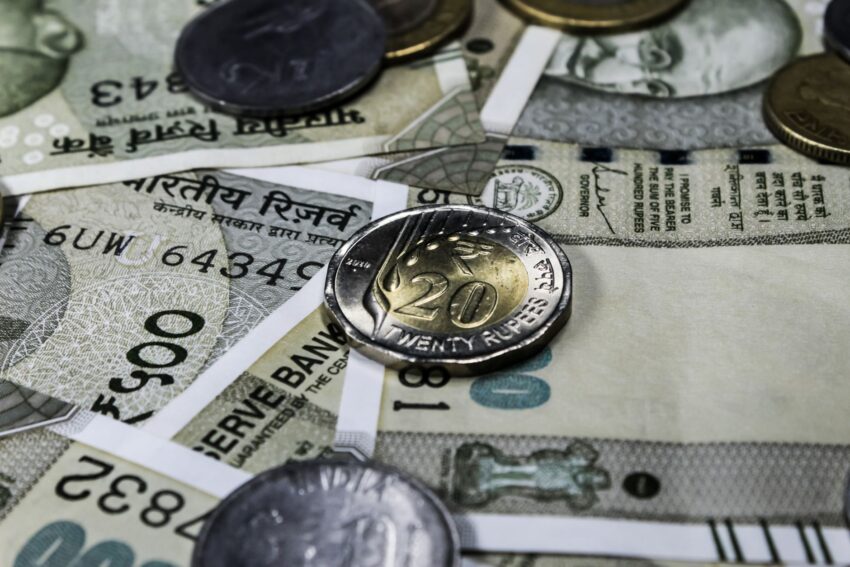
RBI rate hike December is a possibility that cannot be ruled out according to Nine Rivers Capital founder. As economic conditions evolve, investors are keen to understand the implications of such changes.
Understanding the RBI’s Monetary Policy
The Reserve Bank of India (RBI) has been closely monitoring inflation and economic growth, shaping its monetary policy decisions. The anticipated RBI rate hike in December raises questions about its impact on various sectors.
The central bank aims to strike a balance between controlling inflation and supporting economic recovery. Investors are particularly interested in the implications of a potential rate hike on their portfolios.
- Inflation Control: The RBI’s primary goal is to keep inflation within manageable limits, which may necessitate a rate increase.
- Economic Growth: Higher interest rates could slow down borrowing and spending, potentially affecting growth in the short term.
- Investor Sentiment: Market reactions to the RBI rate hike in December could influence investment strategies across various asset classes.
Understanding these dynamics is crucial for investors as they navigate the changing financial landscape.
What Experts Say About December Rate Changes
Experts are closely monitoring the upcoming RBI rate hike in December, with many expressing varied opinions on its implications for investors. According to Nine Rivers Capital founder, the possibility of a rate hike cannot be ruled out, which raises significant questions about the impact on economic growth and borrowing costs.
Some analysts believe that a rate increase could help control inflation, while others warn that it might stifle economic recovery. They suggest that investors should consider the following:
- Market Volatility: A rate hike could lead to fluctuations in the stock market.
- Debt Servicing Costs: Higher rates may increase costs for borrowers.
- Investment Strategy: Investors may need to adjust their portfolios to mitigate risks.
As the December decision approaches, the consensus remains that the RBI rate hike in December will significantly influence market dynamics.
How a Rate Hike Affects Borrowers
The potential RBI rate hike in December could have significant implications for borrowers across the nation.
When the Reserve Bank of India raises interest rates, it typically leads to higher borrowing costs. This can affect various types of loans, including:
- Home Loans: Monthly payments may increase, impacting affordability for potential homeowners.
- Personal Loans: Borrowers may face higher EMI amounts, which can strain monthly budgets.
- Business Loans: Increased rates could hinder expansion plans for businesses reliant on loans for growth.
Furthermore, existing borrowers may find themselves in a tight spot as their variable-rate loans adjust to the new higher rates. While some argue that the RBI rate hike in December is necessary to curb inflation, others express concern about the burden it places on consumers. Understanding these dynamics is crucial for anyone with outstanding loans.
Implications for Investors
The potential RBI rate hike in December raises significant implications for investors. With interest rates likely to increase, investors must reassess their strategies to navigate this changing financial landscape.
Key considerations include:
- Fixed Income Investments: An increase in rates may lead to a decline in bond prices, making existing fixed-income investments less attractive.
- Equity Markets: Higher borrowing costs could dampen corporate profits, potentially affecting stock market performance.
- Real Estate: A rate hike may slow down the real estate market as mortgage rates rise, impacting property investments.
- Investment Diversification: Investors might consider diversifying their portfolios to mitigate risks associated with the RBI rate hike in December.
Ultimately, understanding these implications will be crucial for investors looking to protect their portfolios in an uncertain economic environment.
Historical Context of RBI Rate Changes
The Reserve Bank of India (RBI) has a history of adjusting interest rates in response to changing economic conditions. Over the past decade, the RBI has implemented several rate hikes and cuts aimed at managing inflation and supporting growth.
In 2022, the RBI made a series of increases to combat rising inflation, marking one of the most aggressive tightening cycles in recent history. These changes have often led to significant shifts in investor sentiment and behavior.
Historically, rate hikes have had a mixed impact on the stock market. While higher interest rates can lead to increased borrowing costs, they can also reflect a strong economy. As investors consider the potential for a RBI rate hike in December, understanding this historical context becomes crucial.
As noted by experts, such as the founder of Nine Rivers Capital, the implications of these changes can be profound, affecting everything from consumer spending to investment strategies.
Predictions for Future Rate Adjustments
As we look towards the future of the RBI’s monetary policy, predictions for rate adjustments remain a hot topic among economists and investors alike. The possibility of a RBI rate hike in December has been extensively discussed, with many analysts weighing in on what this could mean for the broader economy.
Several key factors are likely to influence the Reserve Bank’s decision-making process:
- Inflation Trends: Persistent inflation could drive the RBI to tighten monetary policy further.
- Global Economic Conditions: External factors, such as geopolitical tensions and global interest rates, may impact domestic decisions.
- Growth Projections: The RBI will also consider economic growth forecasts when determining the timing of rate hikes.
Investors are advised to stay vigilant as these predictions unfold, as any shift in policy could have significant implications for market dynamics.
The RBI rate hike December has sparked a debate among investors regarding its potential impact on the economy. Many are wondering if the RBI rate hike December will lead to higher borrowing costs and affect consumer spending.
Photo by Ravi Roshan on Pexels
1 thought on “RBI rate hike December: Is it the right move for investors?”