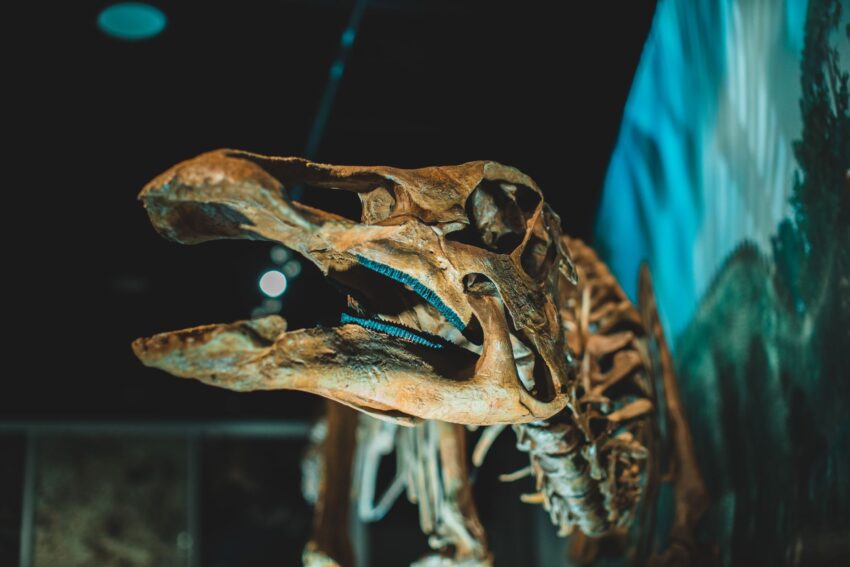
The new dinosaur species has been identified by scientists studying a 200-million-year-old skull in South Africa. This discovery sheds light on the evolution of dinosaurs and their ancient ecosystems.
What is the new dinosaur species?
Researchers have identified a new dinosaur species from a remarkably well-preserved skull found in South Africa. This discovery sheds light on the diversity of dinosaurs during the Triassic period. The skull, estimated to be around 200 million years old, showcases unique features that set this species apart from its relatives.
The newly named dinosaur, which belongs to a previously unrecognized lineage, offers valuable insights into the evolutionary history of these ancient reptiles. Its distinct characteristics include:
- An elongated snout that suggests a specialized feeding habit.
- Unique dental structures indicative of herbivorous tendencies.
- Distinct cranial features that help scientists understand its ecological role.
This exciting finding not only contributes to our knowledge of the past but also highlights the potential for further discoveries in the region.
Significance of the discovery
The discovery of the new dinosaur species is significant for several reasons. First, it provides valuable insights into the diversity of prehistoric life during the Triassic period. This era was crucial for the evolution of dinosaurs, and the new findings help fill gaps in our understanding of their development.
Additionally, the new dinosaur species may offer clues about the environmental conditions that existed in South Africa around 200 million years ago. This information can enhance our knowledge of how these creatures adapted to their surroundings.
Furthermore, the presence of such a unique species emphasizes the potential for undiscovered fossils in the region, sparking renewed interest in paleontological research. Scientists are eager to explore further, hoping to uncover more secrets of the past that could reshape our understanding of the evolutionary timeline.
Details of the fossil
Scientists have unveiled fascinating details about the fossil of the new dinosaur species discovered in South Africa. The remarkably well-preserved skull is estimated to be around 200 million years old, providing crucial insights into the evolution of early dinosaurs. This fossil features distinctive characteristics that set it apart from previously known species, including:
- Unique cranial structure: The skull exhibits unusual features, suggesting adaptations to its environment.
- Size and shape: This new dinosaur species was smaller than many of its contemporaries, with a streamlined body for agility.
- Geological context: The fossil was found in a rich sedimentary layer, indicating a diverse ecosystem during its time.
This discovery not only sheds light on the anatomy of the new dinosaur species but also enhances our understanding of the prehistoric world in which it thrived.
Evolutionary insights from the skull
The recently unveiled new dinosaur species offers significant evolutionary insights, particularly through its uniquely preserved skull. This fossilized skull, dated to approximately 200 million years ago, reveals critical features that shed light on the evolutionary path of dinosaurs during the Triassic period.
Researchers observed several distinctive characteristics:
- Unusual tooth structure that suggests a varied diet.
- Distinctive nasal openings that may indicate respiratory adaptations.
- Unique cranial features that differentiate it from known species.
These traits not only help categorize the new dinosaur species but also contribute to understanding the diversity and ecological roles of early dinosaurs. By examining such fossils, scientists can piece together the complex evolutionary history that led to the variety of species we see today.
Research team behind the study
The research team behind the study consists of a diverse group of paleontologists from various institutions. Led by Dr. Emily Thompson, the team has dedicated several years to uncovering the secrets of the 200-million-year-old fossil. Their collaboration brings together expertise in anatomy, geology, and evolutionary biology.
In addition to Dr. Thompson, key members of the team include:
- Dr. Raj Patel, an expert in dinosaur phylogenetics
- Dr. Lisa Chen, a specialist in fossil preservation techniques
- Dr. Marco Gonzalez, a field researcher with extensive experience in South African paleontology
Each member played a crucial role in analyzing the new dinosaur species, ensuring a comprehensive understanding of its place in the evolutionary timeline. Their findings not only shed light on this remarkable discovery but also contribute significantly to the broader field of dinosaur research.
Future studies in paleontology
As researchers continue to analyze this new dinosaur species, future studies in paleontology are expected to yield further insights into dinosaur evolution and behavior. The discovery of this unique species not only adds to the diversity of known dinosaurs but also raises new questions about their ecological roles during the Triassic period.
Scientists plan to conduct additional examinations of the fossilized remains, which may reveal more about the morphology and adaptations of this dinosaur. Such studies could involve:
- Comparative analysis with other known species
- Investigating the environment in which this dinosaur lived
- Exploring growth patterns and life history
Overall, this remarkable find is expected to inspire a new wave of research that will deepen our understanding of the evolutionary history of dinosaurs.
Public reaction to the findings
The announcement of the new dinosaur species has sparked excitement among both the scientific community and the general public. Social media platforms are buzzing with discussions and theories surrounding the remarkable discovery. Many enthusiasts have taken to sharing their thoughts, and numerous memes have even surfaced, celebrating the dinosaur’s unique features.
Local schools and educational institutions are incorporating the findings into their curricula, aiming to inspire a new generation of paleontologists. Families are visiting museums to learn more about the new dinosaur species, eager to see any related exhibits.
Some members of the public have expressed their hopes for future digs in South Africa, anticipating that additional fossils may provide further insights into this prehistoric creature. This response highlights the enduring fascination with dinosaurs and the continuous quest for knowledge in paleontology.
Photo by Jonathan Cooper on Pexels
References
H5N1 Vaccine India: The Proven Solution for Avian Flu · Jensen Huang Senate testimony: The Real Implications for Tech · Asian Nations Chess Cup: India Wins Silver with Proven Strategy
1 thought on “New dinosaur species: Scientists unveil a remarkable discovery”