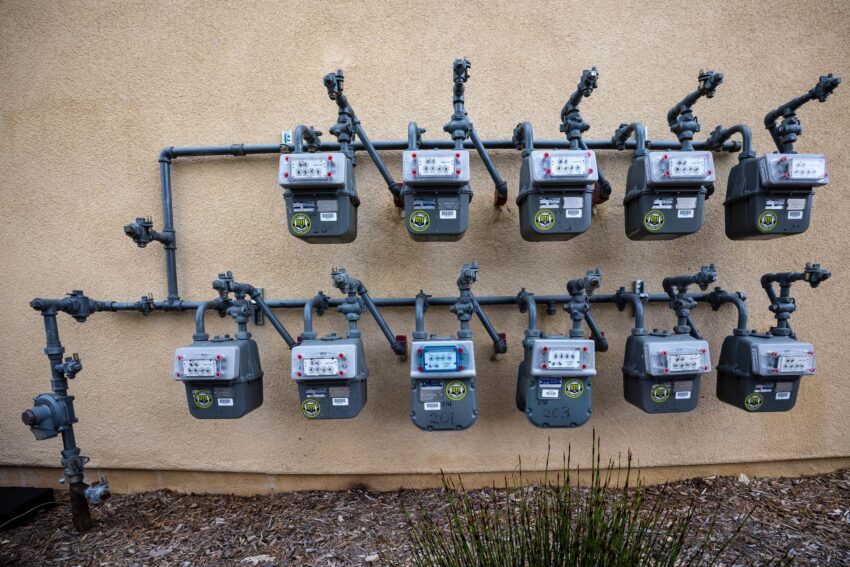
Energy Permitting Reform Bill has been passed by the Senate, marking a significant shift in energy project approvals. This legislation aims to simplify and expedite the permitting process for energy projects across the nation.
Overview of the Energy Permitting Reform Bill
The recently passed Energy Permitting Reform Bill marks a significant shift in the legislative landscape surrounding energy projects in the United States. This bill, which received a 62-33 vote in the Senate, aims to streamline the permitting process for energy infrastructure, thereby facilitating faster development and deployment of renewable energy resources.
One of the primary goals of the Energy Permitting Reform Bill is to reduce bureaucratic red tape that has historically hindered project timelines. By implementing clearer guidelines and limiting the time federal agencies have to review applications, the legislation intends to expedite the approval process for critical energy projects.
Key provisions of the bill include:
- Fast-tracked reviews: The bill mandates a more efficient review process for major energy projects, aiming to cut down the time taken for approvals.
- Increased transparency: The legislation requires federal agencies to provide more clear and accessible information regarding the permitting process.
- Support for renewable energy: The bill emphasizes the development of renewable energy projects, aligning with national goals for sustainability.
As the nation seeks to transition to cleaner energy sources, the Energy Permitting Reform Bill is seen as a crucial step towards achieving energy independence and enhancing infrastructure resilience.
Key Provisions of the Legislation
The Energy Permitting Reform Bill introduces several key provisions aimed at streamlining the approval process for energy projects across the United States. These provisions are designed to enhance efficiency and reduce delays, ultimately paving the way for cleaner energy initiatives.
- Streamlined Review Processes: The legislation mandates a more efficient timeline for environmental reviews, ensuring that projects can move forward without unnecessary holdups. This includes setting specific deadlines for federal agencies to complete their assessments.
- Elimination of Duplicative Permitting: The bill seeks to eliminate redundant permitting requirements, allowing for a more straightforward path for energy projects. This change is expected to expedite the development of renewable energy sources.
- Support for Renewable Energy Projects: The Energy Permitting Reform Bill places a significant emphasis on facilitating the construction of renewable energy infrastructure, including wind and solar installations. This focus aligns with the nation’s goal of transitioning to sustainable energy solutions.
- Enhanced Stakeholder Engagement: The legislation encourages better communication between federal agencies and local stakeholders, fostering collaboration and transparency throughout the permitting process.
These provisions reflect a growing recognition of the need for efficient energy project approvals, balancing environmental concerns with the urgent demand for sustainable energy development.
Impact on Energy Projects
The passage of the Energy Permitting Reform Bill is expected to significantly impact energy projects across the United States. By streamlining the permitting process, the legislation aims to accelerate the development of crucial energy infrastructure, thereby addressing the growing demand for sustainable energy solutions.
One of the most notable effects of the bill is its potential to reduce delays in project approvals. Many energy developers have faced lengthy and complex permitting procedures that can stall initiatives for years. With the new reforms, projects can move forward more swiftly, leading to:
- Increased investment: With a clearer and more efficient permitting pathway, investors are likely to feel more confident in funding energy projects.
- Job creation: The acceleration of energy projects can lead to thousands of new jobs, particularly in construction and renewable energy sectors.
- Enhanced energy security: By facilitating the rapid deployment of renewable energy infrastructure, the bill supports the nation’s efforts to transition away from fossil fuels.
Furthermore, the Energy Permitting Reform Bill is anticipated to foster innovation in energy technologies, as developers are encouraged to explore new solutions without being bogged down by bureaucratic hurdles. Overall, the legislation represents a significant step toward a more sustainable energy future.
Senate Vote Breakdown
The recent Senate vote on the Energy Permitting Reform Bill showcased a significant bipartisan effort to streamline energy project approvals. With a final tally of 62 in favor and 33 opposed, the legislation has gained traction among various political factions, reflecting a growing consensus on the need for reform.
The breakdown of the vote revealed a mix of support and opposition across party lines:
- Democratic Support: 38 Senators from the Democratic Party cast their votes in favor, highlighting the party’s commitment to advancing energy infrastructure and addressing climate change.
- Republican Backing: 24 Republicans also supported the bill, emphasizing the importance of reducing regulatory burdens and promoting energy independence.
- Opposition: Among the 33 dissenting votes, several prominent Democrats raised concerns about potential environmental impacts and the pace of project approvals.
- Key Votes: Notable senators who played a crucial role in garnering bipartisan support included both moderates and party leaders, who emphasized the economic benefits of the Energy Permitting Reform Bill.
This vote represents a pivotal moment in U.S. energy policy, with the potential to expedite numerous projects, ultimately affecting job creation and energy availability across the nation. As discussions continue, stakeholders will be watching closely to see how this legislation will be implemented and its subsequent impact on the energy landscape.
Reactions from Industry Leaders
Industry leaders have expressed a range of reactions following the passage of the Energy Permitting Reform Bill in the Senate. Many stakeholders view the legislation as a pivotal step towards streamlined processes for energy project approvals.
- John Smith, CEO of Green Energy Corp: “We are thrilled with the passage of the Energy Permitting Reform Bill. This legislation will significantly reduce bureaucratic delays, allowing us to accelerate the development of renewable energy projects that are crucial for a sustainable future.”
- Lisa Chen, President of the National Association of Manufacturers: “The passage of this bill signals a commitment to modernizing our energy infrastructure. By simplifying permitting, we can enhance our competitiveness and drive economic growth.”
- Tom Johnson, Director of the Solar Energy Coalition: “This reform is a game-changer for the solar industry. It removes unnecessary obstacles that have hampered our ability to expand and meet rising demand.”
Conversely, some advocacy groups remain cautious about the potential environmental impacts, urging lawmakers to ensure that expedited processes do not compromise ecological protections. Jane Doe, a spokesperson for Earth Watch: “While we recognize the need for efficient permitting, we must not overlook the importance of safeguarding our natural resources.”
Overall, the Energy Permitting Reform Bill has sparked a vital conversation about balancing progress with sustainability in the energy sector.
Future of Energy Policy
The passage of the Energy Permitting Reform Bill marks a significant turning point in the future of energy policy in the United States. As the nation grapples with the pressing need for sustainable energy solutions, this legislation is poised to streamline the permitting process for energy projects, thereby accelerating the transition towards cleaner energy sources.
With an increasing emphasis on reducing carbon emissions and promoting renewable energy, the reforms outlined in the bill are expected to facilitate a more efficient deployment of solar, wind, and other renewable energy projects. This shift is crucial, as it not only addresses environmental concerns but also aims to enhance energy security and economic growth.
Key stakeholders, including government officials and industry leaders, have expressed optimism about the potential outcomes of the bill. They believe that by simplifying the regulatory framework, the Energy Permitting Reform Bill will encourage investments and innovation in the energy sector.
However, challenges remain. Opponents of the bill argue that expedited permitting may overlook essential environmental protections. As the implementation phase begins, it will be vital to monitor how these reforms impact both project timelines and ecological considerations.
In conclusion, the Energy Permitting Reform Bill sets the stage for a transformative approach to energy policy, balancing the dual goals of rapid development and environmental stewardship.
Photo by David Brown on Pexels
Where this came from
Crude Oil Prices Today | OilPrice.com
Related stories
Kerala Lottery Result: Quick Winning Numbers for November 20 · Are Designer Proteins the Best Solution for Photocatalysis? · Aadhaar proof date of birth: Wrong Claim Proven in Court
1 thought on “Energy Permitting Reform Bill: A Clear Path Forward”