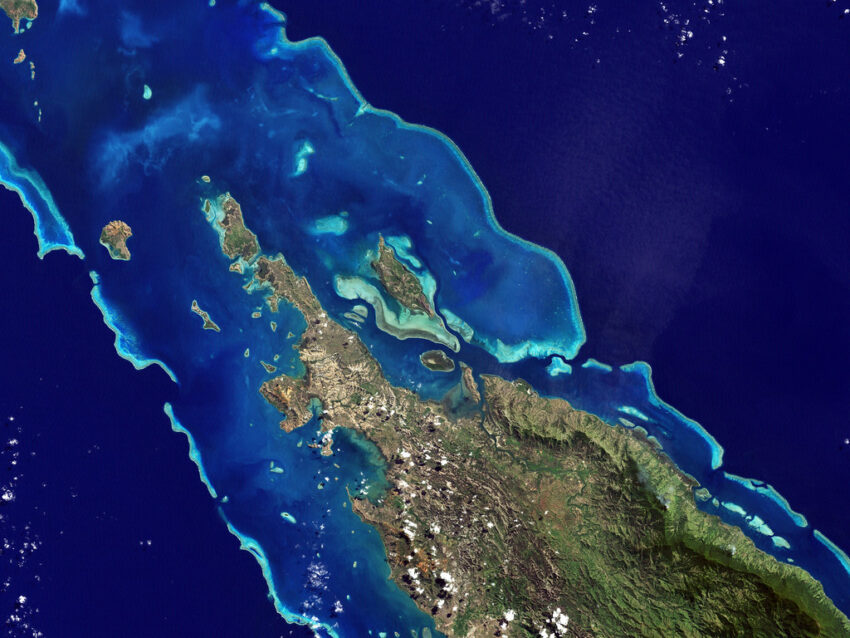
underwater image enhancement is crucial for improving visibility in marine environments. Recent advancements in lightweight CNN technology promise significant improvements in real-time image quality, aiding researchers and divers alike.
What is underwater image enhancement?
Underwater image enhancement refers to a collection of techniques and technologies aimed at improving the visual quality of images captured in aquatic environments. These images often suffer from various challenges, including poor color representation, reduced visibility, and the presence of noise due to water conditions. As a result, specialized methods are required to restore the natural beauty of underwater scenes.
Recent advancements in artificial intelligence have led to innovative approaches in underwater image enhancement. One such method employs lightweight convolutional neural networks (CNNs) designed for real-time processing. This technology is particularly beneficial for marine researchers and divers who rely on clear visuals for their work.
The primary goal of underwater image enhancement techniques is to:
- Improve Color Accuracy: Adjusting color balance to restore the vivid hues of marine life.
- Enhance Clarity: Reducing blurriness and noise to present a sharper image.
- Increase Visibility: Enhancing contrast to make details more discernible in murky waters.
With the rise of lightweight CNNs, underwater image enhancement is becoming more accessible, allowing users to process images rapidly without requiring extensive computational resources. This development holds significant promise for various applications in marine research, underwater photography, and even recreational diving, as it enables clearer and more vibrant representations of underwater ecosystems.
How does lightweight CNN improve images?
Lightweight Convolutional Neural Networks (CNNs) have emerged as a transformative approach in the field of underwater image enhancement, significantly improving the quality of underwater photography. These networks are designed to be efficient and fast, making them suitable for real-time applications in marine environments.
One of the key advantages of using lightweight CNNs is their ability to process images quickly without sacrificing quality. Traditional methods of underwater image enhancement often require extensive computational resources, making them less practical for immediate use. In contrast, lightweight CNNs utilize fewer parameters, enabling faster processing times while still delivering impressive results.
When it comes to enhancing underwater images, lightweight CNNs excel in several areas:
- Color Correction: They can effectively correct color distortion caused by the absorption of light in water.
- Contrast Enhancement: These networks improve visibility by enhancing the contrast of images, making underwater scenes more vibrant.
- Noise Reduction: Lightweight CNNs are adept at minimizing noise, which can often plague underwater images.
- Feature Preservation: They maintain important features and details, ensuring that enhancements do not compromise the integrity of the original image.
Ultimately, the integration of lightweight CNNs into underwater image enhancement workflows represents a significant advancement, allowing for real-time improvements that are both effective and efficient in capturing the underwater world.
Benefits of real-time image processing
Real-time image processing offers numerous benefits for underwater image enhancement, significantly improving the quality of images captured in challenging marine environments. These advantages include:
- Immediate Feedback: With real-time processing, divers and researchers can see enhanced images instantly, allowing for better decision-making during underwater explorations.
- Improved Visibility: Underwater environments often suffer from poor visibility due to factors such as sediment and light absorption. Real-time enhancement techniques can help clarify images, making it easier to identify marine life and geological features.
- Data Collection: Enhanced images can lead to more accurate data collection for scientific research. The improved quality of images aids in species identification, habitat mapping, and ecological assessments.
- Reduced Post-Processing Time: By processing images in real-time, researchers can minimize the need for extensive post-processing, saving time and resources while maximizing efficiency.
- Adaptability: Real-time systems can adapt to varying underwater conditions, offering tailored solutions that can enhance images based on specific environmental factors.
In conclusion, the integration of real-time image processing in underwater image enhancement not only elevates the quality of visuals but also empowers researchers and divers to make informed decisions during their underwater activities, ultimately enriching our understanding of marine ecosystems.
Challenges in marine imaging
Underwater imaging presents a unique set of challenges that can hinder the quality and clarity of captured images. One of the foremost issues is the absorption of light by water, which can distort colors and reduce visibility. In deeper waters, this effect is exacerbated, causing images to appear predominantly blue or green. Without appropriate techniques, the images captured often lack the vibrant colors and details that are essential for accurate analysis and research.
Another significant challenge is the presence of particles and organisms in the water, which can create additional obstructions. These obstructions can scatter light and introduce noise into the images, making it difficult to discern fine details. Moreover, the varying water conditions, such as turbidity and temperature, can further complicate the imaging process.
Real-time underwater image enhancement is becoming increasingly essential as it addresses these challenges effectively. By employing advanced techniques, including the lightweight CNN approach, it becomes possible to enhance image quality on-the-fly. However, the effectiveness of these methods can vary based on environmental conditions and the specific characteristics of the underwater scene.
In conclusion, while underwater image enhancement offers promising solutions, it is crucial to recognize and address the inherent challenges in marine imaging to fully capitalize on its potential.
Future of underwater imaging technology
As technology advances, the future of underwater imaging technology looks promising, particularly with innovations in underwater image enhancement. Researchers are exploring new algorithms and methods that not only improve image quality but also enhance the efficiency of real-time processing.
One significant trend is the development of more sophisticated machine learning models. These models, including lightweight convolutional neural networks (CNNs), are designed to operate effectively in challenging underwater environments, where factors like light distortion and water turbidity can compromise image quality. With improvements in computational power and algorithm efficiency, these systems can deliver high-quality images almost instantaneously.
Moreover, the integration of advanced sensors and imaging techniques is expected to further enhance the quality of underwater visuals. For instance, multispectral and hyperspectral imaging technologies are being adapted for underwater use, providing richer data for analysis and interpretation.
In addition, the rise of augmented reality (AR) and virtual reality (VR) applications in marine exploration and education is likely to drive demand for improved underwater image enhancement techniques. As these technologies become more accessible, they will facilitate better training and awareness about marine ecosystems.
Ultimately, the combination of these advancements may lead to unprecedented clarity and detail in underwater imaging, proving the effectiveness of underwater image enhancement as a vital tool for researchers and conservationists alike.
By NASA Goddard Photo and Video via Openverse
Sources
Related stories
GTA 6 details: The Best Realistic Features Revealed · Flexible offices: The Smart Solution for Modern Workspaces · CJP Saurav Das Notice: Is This the Worst Passport Issue?
1 thought on “Underwater image enhancement: Is it the best proven method?”