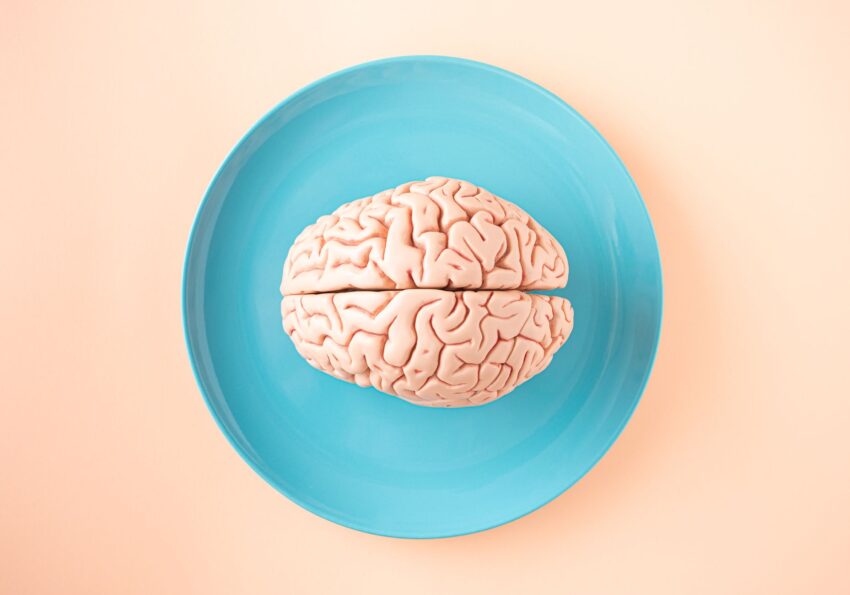
brain protein delivery is at the forefront of a new treatment approach for Alzheimer’s disease, suggesting innovative methods that could enhance patient outcomes.
Understanding Alzheimer’s Disease
Alzheimer’s disease is a progressive neurological disorder that leads to cognitive decline and memory loss. Understanding the mechanisms behind this condition is crucial for developing effective treatments. The disease is characterized by the accumulation of amyloid plaques and tau tangles in the brain, which disrupt normal brain function.
Recent studies have highlighted the importance of brain protein delivery in addressing these issues. Researchers are exploring innovative methods to deliver therapeutic proteins to the brain, targeting the root causes of Alzheimer’s rather than merely alleviating symptoms.
Some key factors contributing to the complexity of Alzheimer’s include:
- Genetic predisposition: Certain genes increase the risk of developing the disease.
- Age: The likelihood of developing Alzheimer’s increases significantly with age.
- Environmental influences: Lifestyle factors such as diet, exercise, and exposure to toxins may also play a role.
As research progresses, understanding the role of brain protein delivery can offer new insights and hope for effective treatments for Alzheimer’s disease.
What is Brain Protein Delivery?
Brain protein delivery refers to the method of transporting essential proteins and molecules across the blood-brain barrier, a selective barrier that protects the brain from harmful substances but also limits the entry of therapeutic agents. This process is crucial in the context of neurodegenerative diseases, particularly Alzheimer’s disease, where the brain’s ability to receive necessary proteins diminishes over time.
Researchers have identified that effective brain protein delivery can significantly influence the progression of Alzheimer’s by ensuring that vital proteins, such as enzymes and neurotrophic factors, reach their targets within the brain. The challenge lies in designing delivery systems that can bypass the blood-brain barrier without compromising its protective functions.
Current approaches to brain protein delivery include:
- Nanoparticle-based systems: These tiny carriers can encapsulate therapeutic proteins and enhance their transport across the barrier.
- Intranasal administration: This method utilizes the nose’s unique anatomy to facilitate direct delivery to the brain.
- Receptor-mediated transcytosis: This technique exploits natural pathways to transport proteins across the barrier.
The Science Behind Protein Delivery
The delivery of proteins to the brain has emerged as a pivotal strategy in addressing neurodegenerative diseases, particularly Alzheimer’s. Recent studies highlight the importance of transporting these proteins effectively across the blood-brain barrier, which is often a significant hurdle in treatment development.
Research indicates that specific methods can enhance brain protein delivery, allowing therapeutic agents to reach areas affected by Alzheimer’s. These methods include:
- Nanoparticle technology: Utilizing tiny carriers to transport proteins safely and efficiently.
- Intranasal administration: Delivering proteins through the nasal cavity, which may bypass the blood-brain barrier.
- Receptor-mediated transport: Leveraging natural transport mechanisms in the brain to facilitate protein entry.
Understanding the mechanisms behind these delivery systems is crucial for developing effective Alzheimer’s treatments. By optimizing brain protein delivery, researchers aim to improve therapeutic outcomes and potentially slow the progression of the disease. This innovative approach could represent a breakthrough in treating Alzheimer’s and reshaping our understanding of brain health.
Benefits of the Outside-In Approach
The outside-in approach to brain protein delivery offers several compelling benefits for Alzheimer’s treatment. This innovative methodology focuses on enhancing the delivery of therapeutic proteins to the brain, which is crucial for combating the disease.
Some key benefits include:
- Improved Targeting: The outside-in technique allows for more precise targeting of affected brain regions, ensuring that the therapeutic agents reach the areas where they are needed most.
- Enhanced Efficacy: By improving the bioavailability of proteins, this approach can increase the effectiveness of treatments, potentially leading to better patient outcomes.
- Reduced Side Effects: Targeted delivery minimizes the exposure of non-target tissues to therapeutic agents, which may reduce adverse effects commonly associated with systemic treatments.
- Personalized Treatment: This method can be tailored to the individual needs of patients, allowing for customized therapies that account for the unique characteristics of each case of Alzheimer’s.
Overall, the outside-in approach represents a promising advancement in brain protein delivery, positioning it as a leading strategy in the fight against Alzheimer’s disease.
Challenges in Alzheimer’s Treatment
Alzheimer’s disease presents numerous challenges in treatment, particularly due to the complexities of effectively delivering therapies to the brain. One significant hurdle is the blood-brain barrier (BBB), a selective permeability barrier that protects the brain from harmful substances but also restricts the passage of beneficial drugs and proteins. This makes brain protein delivery particularly challenging.
Additionally, the heterogeneity of Alzheimer’s pathology complicates treatment approaches. Patients exhibit varying symptoms and progression rates, meaning a one-size-fits-all solution is often ineffective. Therapeutic strategies must be tailored to individual patient needs, which can be resource-intensive and time-consuming.
Moreover, the timing of intervention is critical. Early diagnosis is essential for maximizing the effectiveness of treatments, but many patients are not diagnosed until the disease has progressed significantly. This delay can lead to missed opportunities for brain protein delivery therapies that could potentially alter disease progression.
Finally, ongoing research is needed to better understand the mechanisms of Alzheimer’s disease and improve the efficacy of brain protein delivery methods, ensuring that future treatments can overcome these obstacles and provide tangible benefits for patients.
Recent Research Findings
Recent research has shed light on the effectiveness of brain protein delivery systems in combating Alzheimer’s disease. A recent study published in a leading journal highlights the potential of using an outside-in treatment approach, which aims to enhance the delivery of therapeutic proteins directly to the brain.
Key findings from the study include:
- Improved Targeting: The outside-in approach allows for more precise targeting of the areas affected by Alzheimer’s, potentially leading to better clinical outcomes.
- Increased Bioavailability: By employing advanced delivery mechanisms, researchers found that the bioavailability of crucial proteins in the brain significantly improved.
- Enhanced Cognitive Function: Early results indicate that patients receiving treatments with optimized brain protein delivery showed notable improvements in cognitive function compared to those receiving traditional therapies.
These findings suggest that focusing on brain protein delivery may be one of the most promising strategies for developing effective Alzheimer’s treatments. Continued research in this area could lead to breakthroughs that dramatically change the landscape of Alzheimer’s care.
Future of Alzheimer’s Therapies
The future of Alzheimer’s therapies is increasingly aligning with innovative approaches that enhance brain protein delivery. As researchers delve deeper into the mechanisms of the disease, new strategies are emerging that promise to improve treatment efficacy.
One significant advancement is the focus on the outside-in treatment approach, which utilizes various delivery systems to transport therapeutic proteins directly to the brain. This method not only bypasses traditional barriers but also maximizes the potential for targeted action within the affected areas of the brain.
Future therapies may integrate advanced nanotechnology and biopharmaceuticals, creating a synergy that enhances cognitive function and slows disease progression. Researchers are optimistic about the potential for engineered proteins that can cross the blood-brain barrier more effectively.
Moreover, ongoing clinical trials are expected to provide critical insights into the safety and effectiveness of these innovative therapies. As the understanding of Alzheimer’s disease evolves, there is hope that personalized treatments will become a reality, offering patients more options and a better quality of life.
Ultimately, the focus on brain protein delivery could revolutionize how Alzheimer’s is treated, paving the way for breakthroughs that were once thought impossible.
Conclusion and Next Steps
In conclusion, the exploration of brain protein delivery methods marks a crucial advancement in the fight against Alzheimer’s disease. The outside-in approach offers a promising pathway, harnessing the body’s natural mechanisms to improve treatment efficacy. As we reflect on the challenges and achievements discussed, it is clear that collaboration across various scientific disciplines is essential for further progress.
Next steps should include:
- Continued Research: Further studies are necessary to refine protein delivery systems and assess their long-term impacts on cognitive function.
- Clinical Trials: Initiating more clinical trials will help evaluate the safety and effectiveness of these innovative approaches in diverse patient populations.
- Patient Education: Raising awareness about the latest advancements in Alzheimer’s treatment can empower patients and caregivers to engage in their care actively.
- Policy Advocacy: Advocating for increased funding and support for Alzheimer’s research will be vital to drive these promising techniques forward.
By focusing on these initiatives, we can enhance the understanding and application of brain protein delivery, potentially transforming the future landscape of Alzheimer’s therapies.
Photo by Amel Uzunovic on Pexels
Sources
Related reading
Top headlines November 2026: Quick Summary of Today’s News · India retail inflation October: Worst Proven Trends Revealed · India New Zealand Football Highlights: Worst Loss for IND
1 thought on “Brain Protein Delivery: The Best Proven Approach for Alzheimer’s”