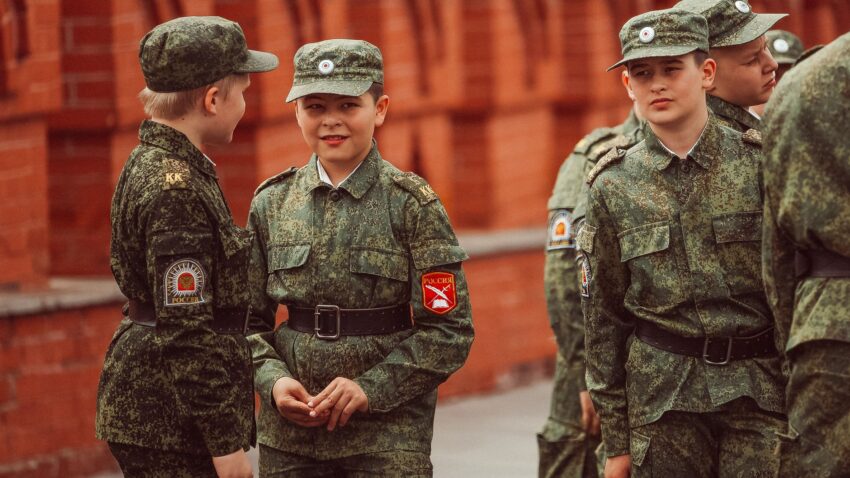
military cadet training pause has been announced due to the current fiscal environment, impacting various training activities for cadets across the nation.
Impact of Fiscal Environment on Military Training
The recent decision to implement a military cadet training pause has raised concerns among various stakeholders regarding the implications of the current fiscal environment. As budgets tighten and funding becomes increasingly limited, military training programs are feeling the pressure.
Several factors contribute to this situation:
- Budget Cuts: Government budget reductions have led to a reassessment of priorities within military training programs.
- Resource Allocation: With funds being diverted to other pressing needs, the military is forced to evaluate where to make cuts, impacting cadet programs significantly.
- Operational Readiness: Cadet training is crucial for maintaining a skilled and prepared military force, and any pause can jeopardize long-term readiness.
- Public Sentiment: The decision has sparked debates among the public and military leaders about the importance of investing in future military leaders.
As the military navigates these challenges, the pauses in cadet training activities underscore the critical relationship between fiscal considerations and military preparedness. The hope is that this situation can be resolved promptly to ensure that cadets receive the training they need for effective service.
NCC Gondola Project Linking Ottawa to Camp Fortune
The National Capital Commission (NCC) is considering an ambitious project that could significantly enhance connectivity between Ottawa and Camp Fortune. This initiative comes at a time when military cadet training pauses are affecting programs across the nation due to budget constraints.
The proposed gondola project aims to create a 17-kilometer aerial route, transforming how residents and visitors access the popular outdoor recreational area. The gondola is expected to not only facilitate ease of travel but also promote tourism and outdoor activities in the region.
Key Features of the Gondola Project:
- Enhanced Connectivity: The gondola would provide a direct link between urban Ottawa and the natural beauty of Camp Fortune.
- Environmental Considerations: The NCC is committed to ensuring that the project aligns with sustainability goals.
- Community Engagement: Local residents will have opportunities to provide input during the planning stages.
This initiative, while promising, also highlights the challenges faced in the current fiscal environment, which has led to military cadet training pauses. As the NCC explores this project, the impact on both the military and the community will be closely monitored.
Tyler Boucher’s Storybook Debut
In a heartwarming turn of events, Tyler Boucher, a young athlete and rising star, made his storybook debut in the world of professional hockey. As the Senators welcomed him onto the ice, fans were reminded of the hard work and dedication that goes into achieving such a milestone. Boucher’s journey to this moment has been filled with challenges, particularly as the military cadet training pause has affected many young athletes who balance their sports aspirations with commitments to cadet programs.
The pause in military cadet training activities has raised concerns among parents and coaches about the impact on youth development and discipline. Nevertheless, Boucher’s success serves as a beacon of hope and inspiration for his peers. His ability to focus on his athletic dreams while navigating the complexities of a changing environment is commendable.
As the Senators continue to support their players, Boucher’s story illustrates the importance of resilience and adaptability. The community eagerly anticipates his future performances, hoping that he will inspire other cadets and young athletes to pursue their goals, even amid challenges like the current fiscal environment that has led to the military cadet training pause.
Public Response to Training Pause
The recent announcement regarding the military cadet training pause has elicited a range of reactions from the public and various stakeholders. Many individuals have expressed their concerns over the impact this decision may have on youth development and the future of military readiness.
Community members, including parents of cadets, have voiced their worries through social media platforms and local forums. They argue that the training programs are essential not only for skill development but also for fostering discipline and leadership qualities among young individuals. Some parents have stated:
- “This pause could hinder our children’s growth and opportunities for personal development.”
- “Cadet training provides invaluable life lessons that are hard to replicate elsewhere.”
On the other hand, some supporters of the training pause argue that it is a necessary decision given the current fiscal environment. They emphasize that prudent financial management is vital for long-term sustainability. “In times of budget constraints, we must prioritize our resources,” a local veteran commented.
As the discussion continues, the implications of the military cadet training pause remain a hot topic among communities nationwide.
Future of Military Cadet Programs
The future of military cadet programs remains uncertain as the recent pause in military cadet training raises concerns among stakeholders. With the current fiscal environment impacting funding and resources, the sustainability of these programs is in question. Many cadets have expressed their disappointment, having invested significant time and effort into their training and leadership development.
As the military evaluates its priorities, several factors will play a crucial role in determining the fate of cadet programs:
- Budget Allocations: Future funding decisions will greatly influence whether training programs can resume and expand.
- Public Support: Increased advocacy from communities and alumni may pressure military leadership to reinstate training activities.
- Program Effectiveness: Continued assessments of the benefits of cadet training on personal development and military readiness will be critical.
- Alternatives to Training: Exploring virtual training options may provide a temporary solution if physical training cannot resume promptly.
As conversations continue regarding the military cadet training pause, stakeholders remain hopeful that innovative solutions will emerge to sustain these vital programs, ensuring that future generations of cadets will benefit from the invaluable experiences they offer.
Gondola Benefits for Ottawa Residents
The recent pause in military cadet training has raised questions about the broader implications for Ottawa residents, particularly in light of the proposed NCC gondola project. This initiative aims to connect Ottawa with Camp Fortune, enhancing accessibility and promoting outdoor activities. The gondola is envisioned as a means to not only facilitate transportation but also to foster community engagement.
Residents stand to benefit in several ways:
- Improved Accessibility: The gondola will provide a direct route to recreational areas, making outdoor experiences more accessible to families and individuals.
- Economic Opportunities: By attracting visitors to Camp Fortune, local businesses could see increased patronage, boosting the economy.
- Sustainability: The gondola is designed to be an environmentally friendly mode of transportation, reducing reliance on cars and minimizing traffic congestion.
- Community Engagement: The project could offer residents a unique way to engage with nature and participate in local events, enhancing community cohesion.
As the military cadet training pause continues, the gondola project may serve as a silver lining, providing Ottawa residents with new opportunities for recreation and connection.
Senators’ Performance This Season
This season, the performance of the Senators has been a mixed bag, with moments of brilliance overshadowed by inconsistency. Fans have been vocal about their concerns, especially in light of the recent military cadet training pause that has drawn attention to broader issues affecting the region.
Several key players have emerged as bright spots, yet their efforts have not always translated into wins. Tim Stutzle has shown significant growth, becoming a key asset in offense, while Brady Tkachuk continues to lead by example both on and off the ice. However, the team faces challenges that may hinder their performance as they navigate the complexities of the current fiscal environment.
In discussions surrounding the training pause, some Senators have expressed solidarity with the military community, emphasizing the importance of support for cadet programs. “We must recognize the dedication of those preparing to serve our country,” remarked a team spokesperson, highlighting the shared values that bind both the sports and military communities.
As the Senators strive for improvement, the interplay between local events, such as the training pause, and the team’s performance remains a focal point for fans and analysts alike.
Budget Cuts and Their Effects on Youth Programs
The recent announcement regarding the pause in military cadet training has raised concerns about the broader implications of ongoing budget cuts affecting youth programs. As resources become increasingly scarce, many organizations are facing difficult decisions about funding and operational capabilities.
Among the most affected are programs designed to foster leadership and discipline among young individuals. The military cadet training pause is a stark indication of how these budgetary constraints can limit opportunities for youth development in essential life skills. Stakeholders have expressed worries about the long-term impact on recruitment and retention within military programs.
Key effects of these budget cuts include:
- Reduced training opportunities: Young cadets are missing out on valuable experiences that build teamwork and resilience.
- Increased program uncertainty: Ongoing financial concerns leave many parents and guardians unsure about the future of cadet programs.
- Potential loss of interest: With training paused, fewer young people may consider enrolling in cadet programs, jeopardizing future participation rates.
As the fiscal environment continues to evolve, stakeholders hope for a resolution that will restore support for military cadet training and other youth initiatives.
The recent military cadet training pause has raised concerns about the long-term implications for leadership development within the armed forces. As budget constraints tighten, the military cadet training pause may become a necessary measure to ensure fiscal responsibility.
Photo by DINOE XU on Pexels
1 thought on “Military Cadet Training Pause: Current Fiscal Environment Impact”